
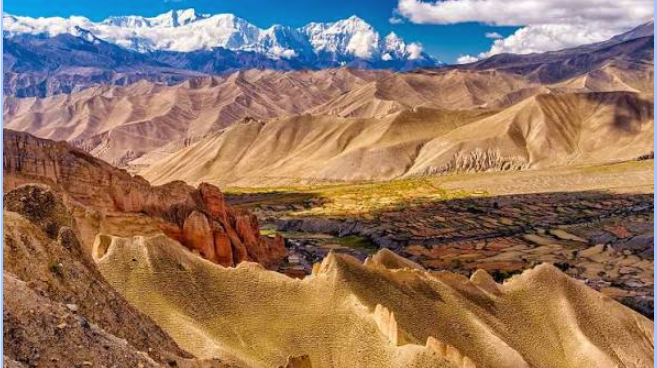
Nepal is famous for its towering Himalayan peaks, but some of its most memorable adventures are found beyond the well-known trekking routes. The Upper Mustang Trek and Makalu Base Camp Trek are two exceptional journeys for travelers who want to explore remote landscapes, traditional communities, and dramatic mountain environments.
Although both treks take place in Nepal’s Himalayas, they offer very different experiences. Upper Mustang is known for its dry landscapes, ancient settlements, Tibetan-influenced culture, and historic monasteries. The Makalu Base Camp Trek, meanwhile, leads deep into the eastern Himalayas through forests, high mountain valleys, glaciers, and rugged terrain beneath Mount Makalu.
Upper Mustang Trek
The Upper Mustang Trek takes travelers into one of Nepal’s most distinctive Himalayan regions. Often described as a hidden kingdom because of its historical isolation, Upper Mustang lies in the rain-shadow of the Annapurna and Dhaulagiri ranges. The region’s dry climate creates a landscape that looks remarkably different from the lush valleys found elsewhere in Nepal.
The trail passes through barren cliffs, rocky valleys, caves, colorful prayer flags, and traditional villages. Ancient settlements such as Lo Manthang provide a fascinating glimpse into the region’s history and Tibetan-influenced cultural heritage.
One of the most rewarding aspects of the trek is the opportunity to experience local life. Monasteries, traditional houses, Buddhist art, and centuries-old cultural practices remain important parts of communities throughout the region.
The landscape becomes particularly striking as the route enters the higher valleys. Red and ochre cliffs, eroded rock formations, and vast open spaces create an almost desert-like Himalayan environment.
Key Points of Upper Mustang Trek
- Region: Mustang, north-central Nepal
- Difficulty: Moderate to challenging
- Typical duration: Around 12–18 days, depending on the itinerary
- Major attraction: Lo Manthang and the traditional Himalayan landscape
- Landscape: Dry valleys, cliffs, caves, plateaus, and mountain scenery
- Cultural highlights: Buddhist monasteries, traditional villages, and Tibetan-influenced heritage
- Best for: Cultural explorers, photographers, experienced trekkers, and travelers seeking remote destinations
- Special feature: Rain-shadow landscape with a distinctive high-desert character
Upper Mustang is also appealing because of its sense of isolation. The journey feels less like a conventional mountain holiday and more like an exploration of a remote Himalayan culture and landscape.
Makalu Base Camp Trek
The Makalu Base Camp Trek is one of Nepal’s most challenging and rewarding wilderness treks. The route leads into the Makalu-Barun region of eastern Nepal, home to Mount Makalu, which rises to 8,485 meters and is the fifth-highest mountain in the world.
The trek is known for its exceptional geographical diversity. The journey begins in lower, greener areas and gradually moves through subtropical forests, rhododendron-covered hills, alpine meadows, rocky valleys, and high-altitude terrain.
As trekkers move deeper into the region, the environment becomes increasingly rugged. High passes, glaciers, steep valleys, and enormous Himalayan peaks create a dramatic wilderness setting.
One of the great attractions of the trek is its relative remoteness. Compared with more established routes in the Everest and Annapurna regions, the Makalu trail receives fewer trekkers. This provides a stronger sense of solitude and adventure.
The trek also offers impressive mountain views. Depending on weather and location, trekkers can see Makalu along with Everest, Lhotse, Chamlang, Baruntse, and other Himalayan peaks.
Key Points of Makalu Base Camp Trek
- Region: Makalu-Barun, eastern Nepal
- Difficulty: Challenging
- Typical duration: Around 18–24 days, depending on the itinerary
- Major attraction: Mount Makalu and remote Himalayan wilderness
- Landscape: Forests, alpine meadows, glaciers, valleys, and high passes
- Highest destination: Makalu Base Camp, approximately 4,870 meters
- Best for: Experienced trekkers and adventure enthusiasts
- Special feature: Exceptional biodiversity and relatively quiet trails
The Makalu region is also known for its remarkable biodiversity. The lower sections of the route contain a variety of vegetation and wildlife habitats, while the higher areas transition into alpine and glacial environments.
Upper Mustang vs. Makalu Base Camp Trek
The two treks offer contrasting experiences, making the choice largely dependent on what a traveler wants from the journey.
The Upper Mustang Trek is particularly suitable for travelers interested in culture, history, traditional Himalayan communities, and unusual landscapes. The relatively dry environment and Tibetan influence give the region a character that is very different from most of Nepal.
The Makalu Base Camp Trek is more focused on wilderness and physical adventure. The route involves longer walking days, significant elevation changes, remote terrain, and challenging mountain trails.
For travelers seeking cultural exploration and a distinctive high-desert environment, Upper Mustang is an excellent choice. Those looking for solitude, dramatic mountain scenery, and a demanding wilderness trek may find Makalu Base Camp more rewarding.
Best Time to Trek
Spring and autumn are generally considered the most favorable seasons for both routes.
During spring, temperatures are generally pleasant at lower elevations, and many areas of Nepal become vibrant with blooming vegetation. Autumn often provides excellent visibility and comfortable trekking conditions after the monsoon season.
Upper Mustang has a somewhat different climate because it lies in a rain-shadow area, making it one of the more suitable Himalayan regions for trekking during periods when other parts of Nepal receive heavier rainfall. However, conditions at higher elevations can still be cold and windy.
The Makalu region receives more precipitation, particularly during the monsoon. Travelers should therefore plan their trek carefully around seasonal weather conditions.
Physical Preparation and Trekking Experience
Both journeys require reasonable physical fitness, but the level of difficulty differs.
Upper Mustang involves long walking days and sections of uneven terrain, with elevation increasing significantly as the trek progresses. Trekkers should be comfortable walking for several hours each day and should allow time for acclimatization.
Makalu Base Camp requires stronger endurance because of its remoteness, steep trails, high passes, and considerable elevation changes. Previous experience with multi-day trekking is highly beneficial.
For both treks, comfortable hiking boots, layered clothing, sun protection, rain protection, a suitable backpack, water supplies, and basic first-aid equipment are important.
Altitude should always be taken seriously. A well-planned itinerary with appropriate acclimatization is essential, particularly on the higher sections of either route.
Cultural and Environmental Responsibility
Traveling through remote Himalayan regions comes with a responsibility to protect both the environment and local culture. Trekkers should avoid leaving waste behind, reduce unnecessary plastic use, and follow local conservation guidelines.
Upper Mustang has a particularly rich cultural heritage, including monasteries, religious sites, and traditional communities. Visitors should respect local customs and ask permission when photographing people or entering culturally significant areas.
In the Makalu region, responsible trekking helps protect fragile mountain ecosystems and supports communities that depend increasingly on sustainable tourism.
Conclusion
The Upper Mustang Trek and Makalu Base Camp Trek offer two completely different but equally remarkable ways to explore Nepal. Upper Mustang takes travelers into a fascinating world of ancient villages, Buddhist traditions, dramatic cliffs, and high-altitude desert landscapes. It is an excellent choice for those who value culture, history, and distinctive scenery.
The Makalu Base Camp Trek offers a more demanding wilderness adventure, leading trekkers through forests, remote valleys, alpine landscapes, glaciers, and spectacular mountain scenery beneath one of the world’s highest peaks.
Ultimately, the right trek depends on your interests, fitness level, available time, and appetite for adventure. Whether you choose the cultural richness of Upper Mustang or the rugged wilderness of Makalu, both journeys offer an opportunity to experience a quieter and deeply rewarding side of the Nepal Himalayas.