
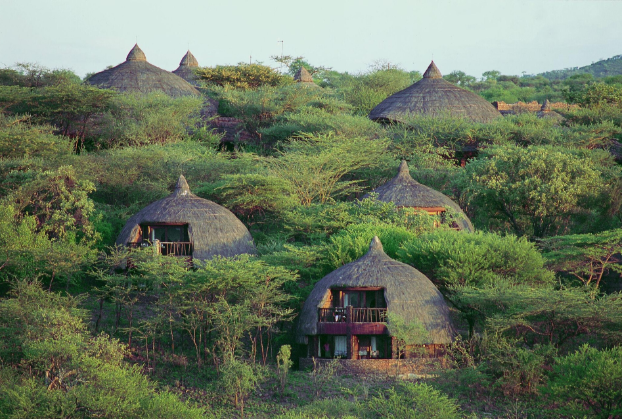
Few places on Earth match the scale of the Serengeti. Endless grasslands, granite kopjes, acacia-studded ridgelines, and over a million wildebeest on the move make it one of the world’s great wildlife destinations. Where you sleep shapes how you experience it. A Serengeti safari lodge offers a solid-walled base with generous facilities, sweeping views, and a level of comfort that suits travellers who want substance as well as adventure.
This guide covers what a safari lodge is, how it differs from other accommodation, what to look for in each region, and how to choose the right one.
What Is a Serengeti Safari Lodge?
A Serengeti safari lodge is a permanent, built accommodation with rooms or suites made of stone, timber, thatch, or similar materials, located inside or on the edge of Serengeti National Park in Tanzania. Unlike canvas tented camps, lodges are fixed structures with more architectural presence and a wider range of facilities.
Typical features include:
- Private rooms or suites with solid walls, proper doors, and often large windows or balconies
- En-suite bathrooms with hot water, baths or showers, and quality toiletries
- Main lodge areas with restaurants, bars, lounges, and viewing decks
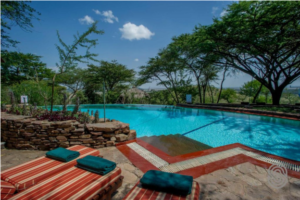
- Swimming pools, often positioned to overlook plains or waterholes
- Reliable power and connectivity in common areas, with air conditioning or heating in some properties
- Game drive vehicles and guides arranged by the lodge or your safari operator
Many Serengeti lodges are built into hillsides or around rock outcrops, which gives guests elevated views across the plains. Others blend into the landscape using local stone and natural materials so they feel part of the setting rather than imposed on it.
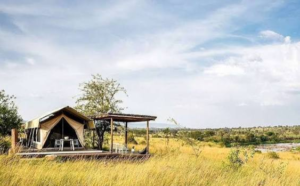
Lodge vs. Tented Camp: Which Suits You?
Both options place you in the heart of the wilderness, but they feel different.
| Factor | Safari Lodge | Tented Camp |
| Structure | Solid, permanent buildings | Canvas tents on platforms |
| Atmosphere | Comfortable, resort-like | Immersive, close to nature |
| Facilities | Pools, spas, restaurants, shops | Smaller communal areas |
| Privacy and security | Solid walls and doors | Zip or flap entrances |
| Noise and sound | Muted outdoor sounds | Full soundscape of the bush |
| Best for | Families, first-timers, comfort seekers | Adventure lovers, migration chasers |
Lodges tend to suit travellers who value space, stability, and amenities, including families with young children, older travellers, and anyone who sleeps better behind solid walls. Tented camps suit those who want maximum immersion. Many itineraries combine both.
Types of Serengeti Safari Lodge
Luxury Lodges
Top-tier lodges offer spacious suites, private plunge pools, fine dining, curated wine cellars, spa treatments, and highly personalised service. Many have a small number of rooms, which keeps the experience intimate. Expect expert guides, private vehicles, and flexible activity schedules.
Mid-Range Lodges
These deliver comfort without the premium price tag. Rooms are well-appointed, meals are good, and facilities usually include a pool and bar. Lodges in this category are popular with families and groups, and they often sit in prime central Serengeti locations.
Budget Lodges
Simpler lodges provide clean rooms, basic dining, and the essentials. They make a Serengeti visit achievable on a tighter budget, though rooms may be smaller and views less dramatic.
Eco-Lodges
Some lodges are built around sustainability, with solar power, rainwater harvesting, waste reduction, and strong local employment. If minimising your footprint matters, look for properties that publish their conservation and community commitments.
Where to Stay: Regions of the Serengeti
The park spans roughly 14,750 square kilometres, so location strongly shapes what you see.
Central Serengeti (Seronera). The most accessible region and a reliable year-round wildlife area. Lions, leopards, and cheetahs are frequently seen among the kopjes and along the Seronera River. Many lodges here sit on ridges or hillsides with big views. It is a strong choice if you want consistent sightings regardless of the migration’s position.
Northern Serengeti (Kogatende and Lamai). Quieter and wilder, the north is the setting for the Mara River crossings, generally between July and October. Lodges here are fewer, and the landscape feels more remote and rugged.
Southern Serengeti and Ndutu. Between roughly December and March, vast herds gather on the short-grass plains for calving season. Predators follow, making this a dramatic time for wildlife action. Accommodation in this area is often seasonal.
Western Corridor (Grumeti). The Grumeti River draws crocodiles, hippos, and, around May to July, the western movement of the migration. Lodges in this area offer riverine forest scenery and fewer crowds.
The Best Time to Visit
The Serengeti rewards visitors all year, though conditions vary.
| Period | Highlights |
| January–March | Calving season in the south; abundant predators |
| April–May | Green season; lush scenery, lower rates, fewer visitors |
| June–October | Dry season; clear sightings, northern river crossings (July–October) |
| November–December | Short rains; herds heading south, good birdwatching |
The dry season is generally the most dependable for game viewing, as animals concentrate near water and the grass is shorter. The green season suits travellers who prefer fewer vehicles and better value, with the trade-off of occasional rain and some muddy tracks.
What to Expect During Your Stay
A lodge-based safari follows a comfortable rhythm built around wildlife activity.
Early morning. Wake before sunrise, enjoy tea or coffee, and head out for a game drive when predators are active and the light is soft.
Late morning. Return for a full breakfast or enjoy a bush breakfast in the field, depending on the lodge.
Midday. Rest in your room, swim, read, or watch wildlife from the terrace. Many lodges overlook waterholes or open plains, so animals can appear without you leaving the property.
Afternoon. A second game drive, cultural visit, or special activity such as a hot-air balloon flight (commonly arranged in the central Serengeti).
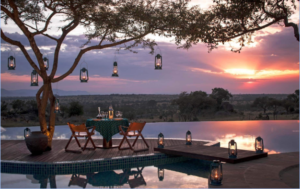
Evening. Sundowners with a view, followed by dinner and storytelling. With little light pollution, the stars are extraordinary.
How to Choose the Right Serengeti Safari Lodge
Use these questions to narrow your options:
- What do you most want to see? Match the lodge’s region to the season: south for calving, north for river crossings, centre for dependable predator sightings.
- What is your budget? Confirm what rates include, such as meals, drinks, game drives, laundry, and park fees.
- How important are facilities? Decide whether a pool, spa, or private plunge pool matters to you.
- How big is the lodge? Smaller lodges feel more personal, while larger ones may offer more amenities but busier common areas.
- How will you arrive? Some lodges are near airstrips, which saves hours compared with driving from Arusha.
- What are the sustainability credentials? Look for clear practices on energy, water, waste, and community benefit.
- Is it family-friendly? Check age policies, family rooms, and child-focused activities.
Book early for peak periods. The best lodges have limited rooms and sell out months ahead.
Responsible Safari Practices
Staying at a lodge still places you in a living ecosystem.
- Follow your guide’s instructions at all times.
- Keep a respectful distance from wildlife and avoid loud noise.
- Do not feed animals or leave food unattended.
- Support lodges that employ local people, buy local produce, and invest in community projects.
- Use water and power thoughtfully, even in comfortable surroundings.
Park fees and lodge revenue help fund anti-poaching work and conservation, so responsible travel supports the place you came to see.
Conclusion
A Serengeti safari lodge delivers the best of both worlds: a front-row seat to one of the planet’s greatest wildlife spectacles and a comfortable, secure place to return to each day. From elegant luxury properties perched above the plains to friendly mid-range lodges and eco-conscious retreats, there is a lodge for nearly every style and budget. The key to a successful stay is matching the lodge’s location and character to your priorities, travel dates, and group. Choose carefully, book early, and you will enjoy not just the wildlife but the quiet pleasure of watching the sun set over the savannah from your own terrace.
Key Takeaways
- A Serengeti safari lodge is a permanent, solid-structure accommodation offering comfort, facilities, and scenic views.
- Lodges suit families, first-time visitors, and travellers who prefer solid walls, pools, and fuller amenities.
- Options range from luxury and mid-range to budget and eco-focused lodges.
- Region matters: the south for calving, the north for river crossings, the centre for year-round predators, and the west for the Grumeti River.
- The dry season (June–October) is the most reliable for game viewing, while the green season brings value and fewer crowds.
- Check inclusions, sustainability practices, and family policies, and book well in advance.
Frequently Asked Questions (FAQ)
- What is the difference between a Serengeti safari lodge and a tented camp?
A lodge is a permanent building with solid walls and extensive facilities. A tented camp uses canvas tents and offers a more immersive, closer-to-nature experience. Both can be luxurious. - Are Serengeti lodges suitable for families?
Many are. Lodges often have family rooms, pools, and flexible dining, though some set minimum ages for game drives or certain activities. Always check policies before booking. - How much does a Serengeti safari lodge cost?
Prices vary widely depending on category, season, and location. Budget lodges cost far less than luxury properties, and peak season rates are higher. Confirm what is included, such as meals, drinks, activities, and park fees. - Do Serengeti lodges have Wi-Fi and electricity?
Most have reliable power, and many offer Wi-Fi in common areas. Connectivity can be limited in remote locations, so treat it as a bonus rather than a guarantee. - When should I book?
For peak months (roughly July to October and January to March), book several months ahead, since the best lodges are small and fill quickly. - Can I see wildlife from the lodge itself?
Often yes. Many lodges overlook plains, waterholes, or rivers, and animals such as elephants, giraffes, and antelope may pass nearby. Sightings vary by location and season. - Is it safe to stay in a safari lodge?
Yes. Lodges follow established safety procedures, and solid construction adds a further layer of security. Staff may escort you between your room and the main area after dark. - How do I get to a Serengeti lodge?
You can drive from Arusha, which takes a full day or more depending on the route, or fly into one of the airstrips within the park. Flying is faster and common for guests visiting multiple regions.