
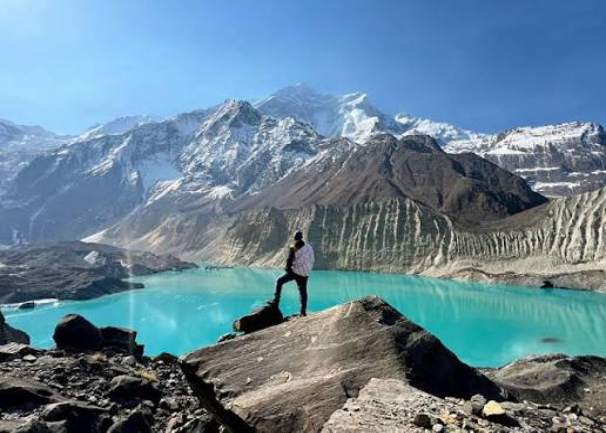
The Annapurna Base Camp Trek is one of Nepal’s most popular Himalayan adventures, offering an impressive combination of mountain scenery, traditional villages, lush forests, and cultural experiences. The trail leads trekkers into the heart of the Annapurna Sanctuary, surrounded by towering Himalayan peaks and spectacular natural landscapes.
Unlike some longer Himalayan journeys, the Annapurna Base Camp Trek can be completed within a relatively short period, making it an attractive choice for both experienced hikers and adventurous beginners. However, choosing the right time to travel can have a major impact on the overall experience.
Understanding the Best Time for Annapurna Base Camp Trek helps you prepare for weather, trail conditions, mountain visibility, and the number of other trekkers you may encounter along the route.
Why Is the Annapurna Base Camp Trek So Popular?
The Annapurna Base Camp Trek is known for its diverse landscapes. The journey begins in lower, greener areas and gradually moves through terraced farmland, dense rhododendron forests, waterfalls, traditional villages, and alpine terrain.
As you approach the Annapurna Sanctuary, the scenery becomes increasingly dramatic. Trekkers can enjoy views of peaks such as Annapurna I, Annapurna South, Machapuchare, Hiunchuli, and several surrounding mountains.
The cultural side of the trek is equally rewarding. Villages along the route provide opportunities to experience the hospitality, traditions, and everyday life of local mountain communities.
Best Time for Annapurna Base Camp Trek
The Best Time for Annapurna Base Camp Trek is generally during spring and autumn. These seasons typically provide a good balance of favorable weather, clear mountain views, and comfortable trekking conditions.
However, each season has its own advantages and challenges.
Spring: March to May
Spring is one of the best seasons for the Annapurna Base Camp Trek.
Temperatures gradually become warmer, and the hills are particularly beautiful as rhododendrons and other flowers begin to bloom. The combination of colorful forests and snow-covered mountains creates excellent scenery along the trail.
March can still be relatively cold at higher elevations, while April and May generally become warmer. As temperatures increase toward the end of spring, conditions can vary depending on altitude and weather patterns.
Why Choose Spring?
- Pleasant trekking temperatures
- Beautiful rhododendron forests
- Increasingly comfortable conditions
- Excellent natural scenery
- Good opportunity for mountain views
Spring is particularly suitable for travelers who want to combine mountain scenery with the colorful landscapes of the lower Annapurna region.
Autumn: September to November
Autumn is another excellent period for the Annapurna Base Camp Trek.
After the monsoon season, the atmosphere often becomes clearer, creating impressive views of the surrounding Himalayan peaks. Temperatures are generally comfortable for trekking, especially during the daytime.
October is typically one of the busiest months because of its favorable conditions. November can be colder, particularly at higher elevations, but it can still provide excellent trekking opportunities.
Why Choose Autumn?
- Generally stable trekking conditions
- Clearer mountain views
- Comfortable daytime temperatures
- Beautiful landscapes
- Excellent visibility in many areas
For trekkers whose main priority is clear Himalayan scenery, autumn is often an excellent choice.
Winter: December to February
Winter trekking in the Annapurna region can be rewarding for travelers who are prepared for cold conditions.
Temperatures can fall significantly at higher elevations, and snowfall may affect parts of the trail. However, the quieter trails can appeal to travelers who prefer a more peaceful experience.
If you plan to trek during winter, warm clothing, appropriate footwear, and flexibility are essential.
Advantages of Winter
- Fewer trekkers
- Peaceful trails
- Beautiful winter landscapes
- Potentially clear mountain views
The main challenge is the cold, especially during mornings and nights at higher elevations.
Monsoon: June to August
The monsoon season generally brings frequent rainfall to Nepal. The Annapurna Base Camp route can become wet and muddy, while clouds may obscure mountain views.
Rain can also make trails slippery, and leeches can be present in some lower and forested areas.
However, this does not necessarily mean the trek is impossible. Travelers who are comfortable with wet conditions and prefer fewer crowds may still consider trekking during this period.
Challenges During Monsoon
- Frequent rainfall
- Cloudy mountain views
- Wet and slippery trails
- Potentially muddy sections
- Increased risk of leeches in lower forest areas
Good waterproof clothing and appropriate footwear become particularly important during this season.
How Long Does the Annapurna Base Camp Trek Take?
The Annapurna Base Camp Trek usually takes around 7 to 12 days, depending on the starting point, route, transportation, and itinerary.
Some trekkers prefer a faster itinerary, while others spend additional time enjoying villages and surrounding landscapes.
A comfortable itinerary should allow enough time to enjoy the route rather than turning the trek into a race. Your walking pace, fitness level, weather, and trail conditions can also affect the actual duration.
What Is the Annapurna Base Camp Trek Difficulty?
The trek is generally considered moderate in difficulty.
You do not need technical mountaineering experience, but you should be prepared for several hours of walking each day, including uphill and downhill sections.
The trail includes stone steps, uneven terrain, forest paths, and steep sections. At higher elevations, the reduced oxygen level can make walking more demanding.
Regular hiking, stair climbing, cardiovascular exercise, and leg-strengthening activities before the trip can help you prepare.
Altitude and Acclimatization
Although the Annapurna Base Camp Trek is shorter than many high-altitude Himalayan treks, altitude should still be taken seriously.
Annapurna Base Camp sits at approximately 4,130 meters (13,550 feet) above sea level. As you gain elevation, your body has less oxygen available, so maintaining a sensible pace is important.
Stay hydrated, avoid rushing, and pay attention to how your body responds to increasing altitude. Persistent or worsening altitude-related symptoms should not be ignored.
What Should You Pack?
Your packing list should depend on the season you choose.
Essential items can include:
- Comfortable trekking boots
- Warm layers
- Waterproof jacket
- Trekking trousers
- Warm hat and gloves
- Sleeping bag
- Sunglasses
- Sunscreen
- Trekking poles
- Reusable water bottle
- Headlamp
- Basic first-aid supplies
- Personal medication
- Power bank
- Backpack
- Personal hygiene items
During winter and shoulder seasons, additional warm clothing may be necessary.
Tips for Choosing the Right Season
When deciding on the Best Time for Annapurna Base Camp Trek, think about what matters most to you.
If you want comfortable weather and excellent mountain views, autumn is a strong choice.
If you enjoy flowers, green landscapes, and warmer spring conditions, March to May can be ideal.
If you prefer quiet trails and fewer trekkers, winter may be appealing, provided you are prepared for colder conditions.
Monsoon can work for experienced travelers who are comfortable with rain and changing trail conditions, but it generally offers less predictable weather.
Key Points to Remember
Before starting your Annapurna Base Camp Trek, keep these important points in mind:
- Spring and autumn are generally the best trekking seasons.
- March to May offers beautiful flowering landscapes.
- September to November often provides good visibility and comfortable conditions.
- Winter brings colder temperatures and possible snow at higher elevations.
- Monsoon can bring rain, muddy trails, and reduced mountain visibility.
- The trek is generally moderate but requires good physical preparation.
- Proper footwear is essential for uneven and sometimes slippery trails.
- Pack according to the season and expected temperatures.
- Take altitude seriously and maintain a steady pace.
- Keep some flexibility in your itinerary because mountain weather can change quickly.
Conclusion
The Annapurna Base Camp Trek is a memorable Himalayan adventure that combines spectacular mountain views, diverse landscapes, traditional villages, and rich local culture. From lush forests and terraced hillsides to the dramatic peaks surrounding the Annapurna Sanctuary, the journey offers something different at every stage.
For most travelers, the Best Time for Annapurna Base Camp Trek is spring (March to May) or autumn (September to November). These seasons generally provide favorable trekking conditions, good mountain visibility, and an enjoyable overall experience.
Ultimately, the right season depends on your personal preferences and how prepared you are for different weather conditions. With suitable equipment, physical preparation, a well-planned itinerary, and respect for the mountain environment, the Annapurna Base Camp Trek can be an unforgettable experience from the first trail to the final view of the Himalayas.