
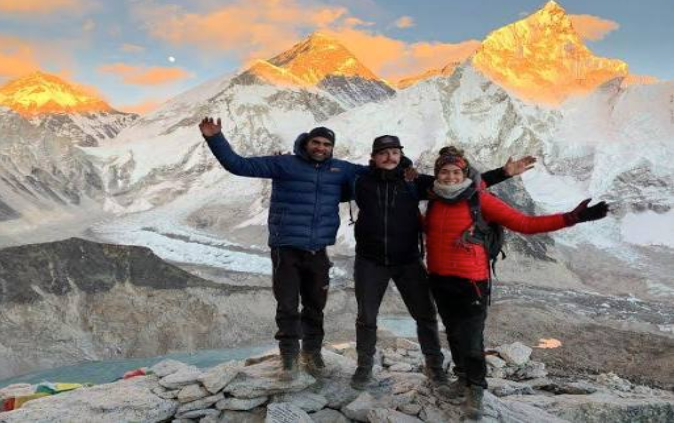
The Everest Base Camp Trek is one of the world’s most iconic Himalayan adventures. It offers trekkers the opportunity to walk through the legendary Khumbu region, experience Sherpa culture, visit ancient monasteries, and stand beneath some of the highest mountains on Earth.
Although reaching Everest Base Camp does not require technical climbing skills, the trek is physically demanding because of the high altitude and changing mountain conditions. With proper preparation, a sensible itinerary, and a good understanding of the expenses involved, it can be an unforgettable experience.
What Makes the Everest Base Camp Trek Special?
The journey to Everest Base Camp is about much more than reaching a particular destination. The trail passes through traditional mountain villages, suspension bridges, Buddhist monasteries, forests, and dramatic Himalayan landscapes.
One of the highlights is Namche Bazaar, a famous Sherpa trading town and an important acclimatization stop. As the trek continues, the scenery becomes increasingly rugged, with spectacular views of peaks such as Everest, Lhotse, Nuptse, Ama Dablam, and Thamserku.
Trekkers also have the chance to visit Tengboche Monastery and experience the unique culture and hospitality of communities living in the Khumbu Valley.
Everest Base Camp Trek Itinerary
A typical Everest Base Camp Trek takes around 12 to 16 days, depending on the route, acclimatization schedule, and transportation arrangements.
A standard itinerary generally includes:
- Arrival in Kathmandu and trek preparation
- Flight or transportation to the Everest region
- Trekking through villages toward Namche Bazaar
- Acclimatization in Namche Bazaar
- Trek toward Tengboche and Dingboche
- Additional acclimatization at higher altitude
- Trek through Lobuche toward Everest Base Camp
- Visit to Everest Base Camp
- Early-morning hike to Kala Patthar for panoramic mountain views
- Descent back through the Khumbu Valley
- Return to Kathmandu
A well-planned itinerary should include adequate acclimatization days rather than trying to complete the trek as quickly as possible.
Everest Base Camp Trek Cost
The Everest Base Camp Trek Cost can vary considerably depending on the season, trekking company, accommodation, transportation, guide and porter services, and the level of comfort you choose.
For most travelers, the main expenses include:
1. Flights and Transportation
Transportation between Kathmandu and the Everest region can be a significant part of the overall budget. Flight prices can change according to the season and availability.
2. Accommodation
Tea houses and lodges are commonly used along the route. Prices generally increase as you travel farther into the mountains because supplies become more difficult to transport.
3. Food and Drinks
Meals are available at tea houses and lodges along the trekking route. Your daily food budget will depend on what you eat and how many drinks or snacks you purchase.
4. Guide and Porter
Hiring a licensed guide can make the journey easier and safer, particularly for first-time Himalayan trekkers. A porter can also carry your main luggage, allowing you to focus on walking and enjoying the scenery.
5. Permits
Trekkers need the appropriate permits and local entry fees for the Everest region. These should be included when calculating your total trekking budget.
6. Travel Insurance
Travel insurance is an important part of the Everest Base Camp Trek budget. Because the trek reaches a high altitude, travelers should make sure their policy provides suitable coverage for trekking at the required elevation and emergency evacuation where applicable.
7. Personal Expenses
Additional costs may include hot showers, charging electronic devices, Wi-Fi, snacks, bottled drinks, tips, equipment rental, and other personal purchases.
Key Factors That Affect Everest Base Camp Trek Cost
When planning your budget, consider these important factors:
- Trekking season: Peak seasons can have higher prices and greater demand.
- Trip duration: Longer itineraries naturally increase accommodation and food expenses.
- Accommodation level: Basic tea houses cost less than more comfortable lodges.
- Guide and porter services: Private services generally increase the total package price.
- Transportation: Flights and other transfers can affect the overall budget.
- Equipment: Buying or renting trekking gear can add to your initial expenses.
- Personal spending: Extra meals, drinks, showers, Wi-Fi, and tips can add up during the trek.
Rather than choosing a trek based only on the lowest advertised price, it is better to check exactly what is included in the package.
Best Time for the Everest Base Camp Trek
The most popular trekking seasons are generally spring and autumn.
Spring offers pleasant trekking conditions and beautiful mountain scenery, while autumn is known for generally clear skies and excellent Himalayan visibility.
Winter can bring very cold temperatures and snow at higher elevations. The monsoon season can bring rain, clouds, and difficult trail conditions in some areas.
The best season ultimately depends on your priorities, tolerance for cold, and preferred trekking experience.
How to Prepare for the Everest Base Camp Trek
Physical preparation is essential. You do not need to be an elite athlete, but you should be comfortable walking for several hours on consecutive days.
Before your trek, consider including:
- Long-distance walking
- Hiking on uphill and downhill terrain
- Cardiovascular exercise
- Strength training for your legs and core
- Practice hikes while carrying a light backpack
- Gradual increases in hiking distance and elevation
It is equally important to prepare mentally. The trek can involve long walking days, basic accommodation, changing weather, and limited facilities at higher elevations.
Altitude and Acclimatization
Altitude is one of the biggest challenges of the Everest Base Camp Trek. As you gain elevation, the amount of oxygen available decreases, so allowing your body enough time to adjust is essential.
A responsible itinerary should include acclimatization days and avoid unnecessarily rapid elevation gains.
Trekkers should also pay attention to symptoms such as persistent headache, dizziness, unusual fatigue, nausea, or difficulty breathing. If symptoms become serious or worsen, descending to a lower altitude and seeking appropriate medical assistance is important.
Essential Things to Pack
Your packing list should be practical rather than excessive. Important items can include:
- Comfortable trekking boots
- Warm and layered clothing
- Waterproof jacket and trousers
- Sleeping bag suitable for cold conditions
- Warm hat and gloves
- Sunglasses and sunscreen
- Reusable water bottle or hydration system
- Trekking poles
- Basic first-aid supplies
- Personal medications
- Headlamp
- Power bank
- Backpack and daypack
- Personal hygiene items
The exact equipment required depends on the season and your trekking package.
Why Choose a Professional Trekking Company?
A reliable trekking company can simplify logistics such as permits, accommodation, transportation, guides, porters, and emergency support.
When comparing companies, look beyond the advertised price. Check the itinerary, inclusions, guide experience, accommodation arrangements, safety procedures, and cancellation policies.
A slightly higher upfront cost can sometimes provide better value when it includes essential services and experienced support.
Key Points to Remember
Before booking your Everest adventure, keep these points in mind:
- Choose an itinerary with sufficient acclimatization.
- Prepare physically several weeks or months before the trek.
- Budget for both included and additional expenses.
- Make sure your travel insurance covers high-altitude trekking.
- Pack according to the season and expected conditions.
- Use experienced guides and reputable trekking operators.
- Stay hydrated and follow responsible altitude practices.
- Do not rush the trek simply to reduce the number of days.
- Keep some extra money available for unexpected expenses.
- Focus on enjoying the journey rather than only reaching Base Camp.
Conclusion
The Everest Base Camp Trek is a remarkable adventure that combines breathtaking Himalayan scenery, mountain culture, challenging trails, and a genuine sense of achievement. While reaching Base Camp is the main goal for many trekkers, the villages, monasteries, landscapes, and people encountered along the way make the entire journey special.
Understanding the Everest Base Camp Trek Cost before departure can help you plan realistically and avoid unexpected expenses. Your final budget will depend on your itinerary, travel season, accommodation, transportation, guide and porter services, equipment, and personal spending.
With proper preparation, a realistic budget, adequate acclimatization, and the support of an experienced trekking team, the journey to Everest Base Camp can become one of the most memorable experiences of a lifetime.