
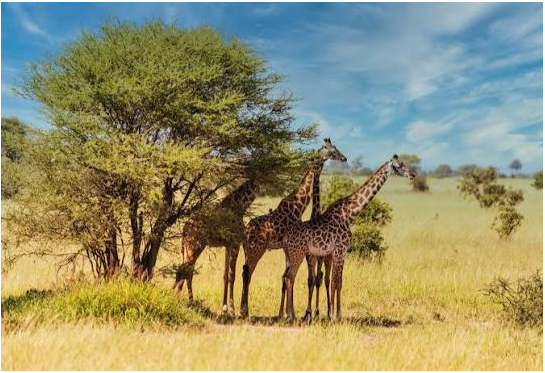
East Africa remains the gold standard for luxury safari travel, and Tanzania and Kenya sit at the heart of that reputation. Together, these two countries offer some of the most spectacular wildlife encounters on Earth, wrapped in a level of comfort and exclusivity that rivals any five-star destination worldwide. From private plunge-pool suites overlooking the Serengeti plains to championship tented camps along the Maasai Mara River, a luxury safari here blends raw wilderness with refined indulgence.
Why Tanzania and Kenya Lead the Luxury Safari Market
Tanzania and Kenya share the Great Migration ecosystem, yet each country brings its own distinct character to the safari experience.
Kenya is renowned for the Maasai Mara, a compact, wildlife-dense reserve famous for dramatic river crossings during the migration season (typically July to October). Kenya’s luxury camps are often intimate, owner-run operations with deep-rooted conservation partnerships and strong community ties to the Maasai people.
Tanzania, by contrast, offers scale. The Serengeti stretches across vast, uninterrupted plains, while the Ngorongoro Crater delivers one of the highest concentrations of wildlife anywhere in Africa within a single, self-contained caldera. Tanzania also offers exclusive private conservancies such as Singita Grumeti and the remote southern circuits of Ruaha and the Selous (Nyerere National Park), which see a fraction of the tourist traffic found elsewhere.
What Defines a Luxury Safari
A genuine luxury safari goes beyond thread counts and infinity pools. It is defined by:
- Private guiding: Dedicated, highly trained guides and trackers, often with decades of bush experience
- Exclusive-use vehicles: No shared game drives with strangers
- Prime locations: Camps positioned inside private conservancies or exclusive concessions rather than crowded public reserves
- Curated experiences: Hot-air balloon safaris, bush breakfasts, sundowners, walking safaris, and cultural visits with Maasai communities
- Elevated hospitality: Gourmet dining, fine wine pairings, spa services, and design-forward accommodations that reflect the surrounding landscape
Signature Experiences
The Great Migration: Over 1.5 million wildebeest and hundreds of thousands of zebras move in a continuous loop between the Serengeti and the Maasai Mara. Timing a trip to coincide with river crossings (typically July–September in the Mara, and calving season January–March in the southern Serengeti) is often the centerpiece of a luxury itinerary.
Ngorongoro Crater: A single-day game drive here can yield sightings of lion, elephant, rhino, buffalo, and leopard—the Big Five—within one geological bowl.
Private Conservancies: Areas like the Mara North Conservancy, Olare Motorogi, and Singita Grumeti restrict visitor numbers, permit night drives and off-road tracking, and offer a far more immersive, less crowded experience than public parks.
Zanzibar and the Beaches: Many luxury itineraries pair a Tanzanian safari with a stay on Zanzibar or Mnemba Island, combining game drives with white-sand beaches and Indian Ocean diving.
Best Time to Travel
The “best” time depends on priorities:
- June to October (dry season): Excellent game viewing across both countries; peak migration river crossings in the Mara
- December to March: Calving season in the southern Serengeti; lush scenery and excellent bird life
- April to May: Low season with heavy rains; some luxury camps close, but rates drop significantly
Sample Luxury Itinerary Structure
A well-paced luxury safari typically spans 8–12 days, combining:
- Arrival and acclimatization in Nairobi or Arusha
- 3–4 nights in a Serengeti or Mara conservancy camp
- 2 nights at Ngorongoro Crater for concentrated game viewing
- 3–4 nights on the coast (Zanzibar) or in a secondary reserve for variety
- Private charter flights between camps to minimize travel time and maximize game-viewing hours
Budget Expectations
Luxury safaris in this region generally range from $1,000 to $3,000+ per person per night, depending on the camp, season, and exclusivity level. Ultra-luxury options, including private villa buyouts and helicopter transfers, can exceed $5,000 per night. Rates typically include full board, most activities, and park fees, though international flights and premium beverages are usually extra.
Key Takeaways
- Kenya offers intimacy and migration drama in the Maasai Mara; Tanzania offers scale, diversity, and exclusivity across the Serengeti, Ngorongoro, and southern circuits.
- True luxury is defined by privacy, expert guiding, and prime locations—not just amenities.
- Timing your trip around the Great Migration or calving season significantly enhances wildlife viewing.
- Combining a safari with Zanzibar creates a well-rounded, beach-and-bush itinerary.
- Expect to invest 1,000–3,000+ per person per night for a genuinely luxury experience.
Frequently Asked Questions
Is Tanzania or Kenya better for a luxury safari?
Neither is objectively better—they’re complementary. Many luxury travelers combine both countries in a single trip, since border logistics between the Mara and Serengeti are straightforward via light aircraft.
How many days do I need?
A minimum of 7 days is recommended to avoid feeling rushed; 10–14 days allows for a more relaxed pace across multiple ecosystems.
Is it safe to travel to Tanzania and Kenya?
Yes. Established safari circuits are well-secured, and luxury operators manage all logistics, transfers, and on-the-ground safety.
Do I need vaccinations or malaria prophylaxis?
Most safari regions are malaria zones, so prophylaxis is generally recommended. Yellow fever vaccination requirements depend on your travel history and entry points—check current requirements with a travel health clinic before departure.
When should I book?
For peak migration season (July–October) or Christmas/New Year, booking 9–12 months in advance is advisable, as the best luxury camps have limited rooms and fill early.
Can children join a luxury safari?
Many camps welcome children with family-friendly programs and private vehicles, though some exclusive adult-only camps exist—worth confirming when booking.