
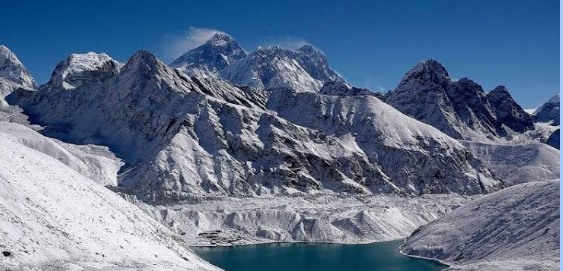
Nepal is one of the world’s most celebrated destinations for mountain trekking, offering everything from short scenic hikes to challenging high-altitude expeditions. Among the more adventurous routes in the Everest region, Renjola Pass treks provide an opportunity to explore the remote Gokyo Valley and cross the spectacular Renjo La Pass while enjoying views of some of the world’s highest mountains.
More broadly, Trekking in Nepal offers an extraordinary combination of Himalayan scenery, traditional villages, diverse landscapes, and rich cultural heritage. Whether travelers are looking for a moderate valley trek or a demanding high-altitude adventure, Nepal has routes suited to different interests and experience levels.
What Are Renjola Pass Treks?
Renjo La, also written as Renjo La Pass, is a high mountain pass in Nepal’s Everest region. It connects the Gokyo Valley with the remote Nangpa La and Thame areas.
Renjola Pass treks are generally part of longer Everest-region itineraries and may be combined with destinations such as Gokyo Lakes, Gokyo Ri, Everest Base Camp, and other high passes.
The pass reaches approximately 5,360 meters, making this a demanding high-altitude trek that requires appropriate acclimatization and preparation.
Highlights of Renjo La Pass
The journey toward Renjo La offers a combination of natural and cultural attractions.
Key highlights include:
- Renjo La Pass
- Gokyo Lakes
- Gokyo Valley
- Gokyo Ri
- Mount Everest
- Cho Oyu
- Makalu
- Lhotse
- Ama Dablam
- Sherpa villages
- Buddhist monasteries
- High-altitude landscapes
One of the major attractions is the panoramic mountain scenery visible from the pass when weather conditions are favorable.
Typical Renjo La Trek Route
The exact itinerary depends on the selected package and acclimatization schedule, but a typical route can begin with a flight from Kathmandu to Lukla.
Lukla to Namche Bazaar
The trek follows the Dudh Koshi Valley through forests and traditional Sherpa settlements before reaching Namche Bazaar.
Namche is an important trading center and a common acclimatization point for Everest-region treks.
Namche to Thame or Gokyo Region
Depending on the itinerary, trekkers may travel toward Thame or follow the route toward the Gokyo Valley.
The landscape gradually becomes more alpine as the elevation increases.
Gokyo Valley
Gokyo is known for its series of turquoise glacial lakes and spectacular mountain surroundings.
Many itineraries include an acclimatization or exploration day here.
Renjo La Pass
The ascent to Renjo La is one of the most challenging sections of the journey.
The trail climbs steeply toward the pass, and conditions can include snow, ice, and strong winds depending on the season.
From the top, trekkers can enjoy expansive views of the surrounding Himalayan peaks when visibility is good.
Descent Toward Thame
After crossing Renjo La, the route descends toward the Thame Valley and eventually reconnects with lower sections of the Everest region.
The descent provides a different perspective of the landscape and traditional mountain settlements.
Trekking in Nepal: More Than the Everest Region
Trekking in Nepal is not limited to the Everest region. The country contains a wide range of trekking destinations, each offering a different combination of landscapes and cultural experiences.
Popular trekking regions include:
- Everest
- Annapurna
- Langtang
- Manaslu
- Kanchenjunga
- Makalu
- Mustang
- Dolpo
Some routes are relatively accessible, while others involve remote wilderness and high mountain passes.
Everest Region Trekking
The Everest region is famous for Mount Everest, Sherpa culture, Buddhist monasteries, and spectacular high-altitude landscapes.
Popular routes include:
- Everest Base Camp
- Gokyo Valley
- Renjo La
- Three Pass Trek
- Everest View Trek
The region offers options ranging from shorter introductory hikes to demanding multi-week adventures.
Annapurna Region
The Annapurna region is known for its diverse landscapes and well-established trekking routes.
Popular journeys include:
- Annapurna Base Camp
- Annapurna Circuit
- Ghorepani Poon Hill
- Mardi Himal
- Khopra Danda
The region combines mountain scenery with forests, traditional villages, and varied cultural communities.
Langtang Region
Located relatively close to Kathmandu, Langtang provides a convenient option for travelers seeking a Himalayan trekking experience without traveling as far into the mountains.
Popular routes include Langtang Valley and Gosaikund.
Trekkers can experience forests, mountain villages, Buddhist culture, and alpine landscapes.
Manaslu Region
The Manaslu region offers a more remote trekking experience.
The Manaslu Circuit is known for dramatic valleys, Tibetan-influenced villages, monasteries, and the challenging Larke Pass.
Tsum Valley can also be combined with the Manaslu journey for travelers interested in cultural and remote mountain experiences.
Difficulty of Renjo La Treks
Renjo La is considered a challenging high-altitude trekking route.
The difficulty comes from:
- High elevation
- Steep ascents
- Long trekking days
- Potential snow and ice
- Changing weather
- Remote terrain
- Altitude-related risks
Previous high-altitude trekking experience can be useful, but appropriate preparation and acclimatization are important for all trekkers.
Altitude and Acclimatization
Altitude management is essential on Renjola Pass treks.
At approximately 5,360 meters, Renjo La is high enough for altitude-related illness to become a significant concern.
Trekkers should follow a gradual itinerary with appropriate acclimatization days.
Warning signs such as persistent headache, dizziness, nausea, unusual fatigue, confusion, or difficulty breathing should be taken seriously. Anyone developing significant symptoms should inform their guide immediately and descend if advised.
Best Time for Trekking in Nepal
The best trekking season depends on the region and route, but spring and autumn are traditionally popular for many high-altitude treks.
Spring
March to May generally offers increasingly warm conditions, blooming rhododendrons at lower elevations, and good trekking opportunities.
Autumn
September to November is traditionally popular for relatively stable weather and clear mountain views.
Winter
Winter can be suitable for lower-altitude routes but can create snow and freezing conditions on high mountain passes such as Renjo La.
Monsoon
June to August brings substantial rainfall to many parts of Nepal. However, some rain-shadow regions, including parts of Mustang and Dolpo, can remain suitable for trekking during this period.
Travelers should check current weather and trail conditions before departure.
What to Pack for Renjo La
Because Renjo La is a high-altitude pass, appropriate equipment is essential.
A typical packing list includes:
- Waterproof trekking boots
- Warm insulated jacket
- Thermal base layers
- Fleece layers
- Waterproof jacket and trousers
- Warm gloves
- Hat
- Sunglasses
- Sunscreen
- Trekking poles
- Headlamp
- Sleeping bag
- Water bottles
- Water purification method
- Personal medication
- Basic first-aid supplies
- Backpack or duffel bag
The exact equipment should be adjusted according to the season and current conditions.
Accommodation and Food
Tea houses and trekking lodges are commonly used during Trekking in Nepal, including established routes in the Everest region.
Accommodation becomes simpler as trekkers move into remote and higher areas.
Common meals include:
- Dal bhat
- Noodles
- Rice
- Soups
- Vegetables
- Eggs
- Bread
- Potatoes
- Tibetan-style dishes
Carrying energy snacks is useful for long days, particularly when crossing high passes.
Responsible Trekking in Nepal
Nepal’s mountain environment is fragile, and many Himalayan communities depend on tourism.
Travelers can support responsible tourism by:
- Carrying reusable water bottles
- Reducing plastic waste
- Staying on established trails
- Respecting monasteries and religious sites
- Following local customs
- Supporting locally owned tea houses and businesses
- Avoiding littering
- Respecting wildlife and natural habitats
Responsible trekking helps preserve Nepal’s natural and cultural heritage for future generations.
Key Points to Remember
- Renjola Pass treks provide a challenging high-altitude experience in the Everest region.
- Renjo La is approximately 5,360 meters above sea level.
- The route can be combined with Gokyo Lakes, Gokyo Ri, and other Everest-region destinations.
- Gokyo Valley is known for its beautiful glacial lakes and Himalayan scenery.
- Trekking in Nepal offers routes across the Everest, Annapurna, Langtang, Manaslu, Kanchenjunga, Mustang, and other regions.
- Renjo La requires proper acclimatization and physical preparation.
- Snow and ice can make the pass more challenging during winter or unfavorable weather.
- Spring and autumn are traditionally popular seasons for high-altitude trekking.
- Proper footwear, warm clothing, sun protection, and hydration are essential.
- Current weather, trail, and permit requirements should be confirmed before departure.
- Responsible tourism helps protect Nepal’s mountain environment and local communities.
Conclusion
Renjola Pass treks offer an exciting way to explore the less-traveled landscapes of the Everest region. From the glacial lakes of Gokyo to the challenging ascent of Renjo La and the traditional settlements beyond the pass, the route combines demanding trekking with spectacular Himalayan scenery.
More broadly, Trekking in Nepal provides an exceptional variety of experiences. Whether travelers choose Everest, Annapurna, Langtang, Manaslu, or another Himalayan region, each route offers its own combination of mountain landscapes, local culture, and adventure.
For a Renjo La journey, careful preparation is particularly important because of the altitude and unpredictable mountain conditions. With appropriate acclimatization, suitable equipment, reliable local guidance, and respect for the environment and communities, trekkers can enjoy a rewarding and memorable experience in the Nepal Himalayas.