
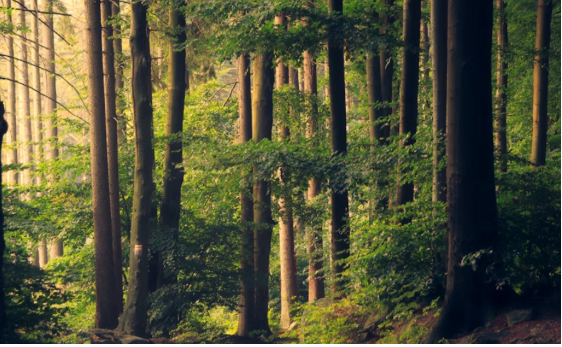
Trees are one of the most valuable features of any landscape. They provide shade, improve air quality, support wildlife, and enhance the beauty and value of a property. However, trees require ongoing care to remain healthy and safe.
Without proper attention, they can become vulnerable to disease, structural weakness, or environmental stress. Taking care of your trees is a long-term responsibility that combines routine maintenance, professional support, and informed decision-making.
Understanding your trees and their environment
Effective tree care begins with understanding the type of trees on your property and the environment in which they grow. Different species have different needs related to soil type, water, sunlight, and spacing. Planting or maintaining trees without considering these factors can limit growth and increase the risk of disease.
Monitoring changes in leaf colour, growth patterns, and bark condition helps identify issues early. Trees often show subtle signs of stress long before serious damage occurs. Early awareness allows for timely intervention and prevents long-term problems.
Watering and soil health
Water is essential for tree health, especially during early growth stages and periods of drought. Deep, consistent watering encourages strong root systems, while shallow or irregular watering weakens trees and makes them unstable.
Soil health is equally important. Compacted or nutrient-poor soil restricts root development and water absorption. Mulching around the base of trees helps retain moisture, regulate soil temperature, and protect roots, while also improving overall soil quality over time.
The importance of regular tree trimming service
A professional tree trimming service plays a critical role in maintaining tree health and structure. Trimming removes dead, diseased, or overgrown branches that can compromise the tree’s stability and appearance. Proper trimming also improves airflow and light penetration, reducing the risk of fungal infections and pest infestations.
Regular trimming encourages healthy growth patterns and prevents branches from interfering with buildings, power lines, or walkways. When performed correctly, trimming strengthens the tree rather than weakening it, making it safer and more resilient in strong winds or storms.
Recognising when tree removal services are necessary
While preservation is always the goal, there are situations where tree removal services become essential. Trees that are severely diseased, structurally unstable, or damaged beyond recovery pose a risk to people and property. In these cases, removal is a responsible and necessary action.
Professional tree removal services assess risks carefully and use specialised equipment to remove trees safely and efficiently. Attempting removal without expertise can lead to injury, property damage, or further environmental harm. Responsible removal also allows space for new, healthy plantings that better suit the environment.
Protecting trees from pests and disease
Trees are vulnerable to pests and diseases that can spread quickly if left untreated. Regular inspections help detect infestations early, when treatment is most effective. Signs such as unusual leaf loss, holes in bark, or visible insects should never be ignored.
Professional arborists can recommend appropriate treatments that protect trees while minimising environmental impact. Preventative care is often more effective and less costly than addressing advanced damage.
Storm preparation and ongoing maintenance
Trees that are properly maintained are far more resistant to storm damage. Weak branches, poor structure, and root instability increase the likelihood of falling limbs or uprooted trees during severe weather. Routine care, including trimming and health assessments, reduces these risks significantly.
Ongoing maintenance also extends the lifespan of trees, ensuring they continue to provide shade, beauty, and ecological benefits for years to come. Consistent care is far more effective than reactive measures taken after damage occurs.