

The Ngorongoro Crater stands as one of Africa’s most extraordinary natural wonders—a vast volcanic amphitheater where wildlife thrives in concentrated abundance within a landscape of breathtaking geological drama. A Ngorongoro Crater safari transports visitors into what many consider the Eighth Wonder of the World, where 25,000 large mammals inhabit a self-contained ecosystem created by a catastrophic volcanic collapse millions of years ago. This UNESCO World Heritage Site delivers wildlife encounters of exceptional quality within a single day, making it an essential component of any Tanzania safari itinerary and a destination that consistently exceeds the already elevated expectations of experienced safari travelers.
The Geological Marvel of Ngorongoro Crater
Ngorongoro Crater formed approximately 2-3 million years ago when a massive volcano, potentially as tall as Mount Kilimanjaro, exploded and collapsed inward upon itself. This catastrophic event created the world’s largest intact, unflooded volcanic caldera—a natural enclosure spanning roughly 260 square kilometers with walls rising 400-610 meters above the crater floor. The resulting amphitheater creates a microclimate and self-sustaining ecosystem that supports one of Earth’s highest concentrations of large predators and their prey.
The crater floor sits at approximately 1,800 meters elevation, with the rim reaching 2,300-2,400 meters. This elevation variation creates distinct climatic zones—the rim experiences cool, often misty conditions with temperatures dropping significantly at night, while the crater floor maintains warmer temperatures moderated by the surrounding walls. These conditions support diverse habitats including grasslands, swamps, forests, and Lake Magadi, a shallow alkaline lake attracting enormous flamingo flocks.
The Ngorongoro Wildlife Experience
Ngorongoro Crater safaris deliver unparalleled wildlife density, with approximately 25,000-30,000 animals residing permanently within the crater. Unlike migratory species in the Serengeti, crater animals remain year-round due to permanent water sources, abundant grazing, and the natural barrier created by steep crater walls that discourage emigration.
The crater hosts Africa’s densest lion populations, with approximately 60-70 resident lions organized into several prides. The availability of abundant prey and limited territory means these lions are frequently visible, often observed hunting or resting in open grasslands. The crater’s lions have been subjects of extensive research, providing insights into predator ecology, social structures, and territorial behaviors.
Black rhinoceros populations make Ngorongoro particularly special among Tanzania’s safari destinations. The crater protects approximately 30-40 of these critically endangered animals—representing Tanzania’s most accessible rhino viewing. While rhinos remain naturally elusive and wary, patient Ngorongoro Crater safari visitors have reasonable chances of sightings, particularly early morning when rhinos venture into open areas before retreating to forest cover.
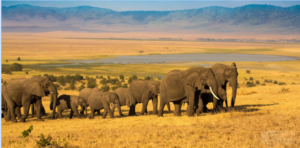
Elephant bulls frequent the crater, though these are exclusively males. Female elephants and breeding herds remain on the outer slopes and highlands, with bulls descending to the crater floor. The crater’s elephants are notably large-tusked, having benefited from Ngorongoro’s protection during periods when poaching devastated elephant populations elsewhere.
Buffalo herds numbering hundreds graze the grasslands, while wildebeest, zebras, Thomson’s and Grant’s gazelles, elands, and waterbucks populate different crater zones according to habitat preferences. Hippos inhabit permanent pools, and the swamps support reedbucks and other wetland species. Predator diversity extends beyond lions to include spotted hyenas in large numbers, leopards in the forested areas, cheetahs on the open plains, jackals, servals, and bat-eared foxes.
Planning Your Ngorongoro Crater Safari
Ngorongoro Crater safaris typically operate as single-day experiences, with early morning descents to the crater floor followed by afternoon ascents before exiting the conservation area. The crater access logistics involve descending steep, sometimes challenging roads to the floor, spending approximately 4-6 hours exploring via designated routes, then ascending via different roads as one-way traffic systems prevent congestion.
The Tanzania National Parks Authority limits daily crater floor visits to approximately 10,000 visitors annually through vehicle restrictions and time limits. All visitors must enter with registered safari operators using 4×4 vehicles suitable for the steep descent and ascent roads. Independent visits are prohibited, ensuring guide expertise and safety standards.
Most Ngorongoro Crater safaris begin from accommodations on the crater rim, in nearby Karatu town, or as day trips from Arusha (approximately 180 kilometers requiring 3-4 hours driving each way). Crater rim lodges offer the advantage of early descents, maximizing wildlife viewing during optimal morning hours when animals are most active and before tourist numbers peak.
Crater Safari Itinerary Options
Day Trip Safaris from Arusha
Day trip Ngorongoro Crater safaris from Arusha suit travelers with limited time or those combining crater visits with other northern circuit destinations. These tours involve early morning departures (typically 5:00-6:00 AM), arriving at the crater around 9:00-10:00 AM for 4-5 hours of game viewing, then returning to Arusha by evening.
While logistically feasible, day trips involve extensive driving that can prove exhausting. The late crater arrival means missing optimal early morning wildlife viewing when predators are most active and tourist numbers minimal. However, for travelers on tight schedules, well-organized day trips deliver satisfying crater experiences at lower costs than overnight options.
Overnight Crater Rim Safaris
Overnight Ngorongoro Crater safaris staying at crater rim accommodations provide optimal experiences. Guests wake to spectacular crater views, descend early (around 6:30-7:00 AM) when wildlife activity peaks and visitor numbers are lowest, and enjoy extended crater floor time without rushing back to distant accommodations.
Rim lodges range from budget camping to ultra-luxury properties, all offering the incomparable experience of watching sunset illuminate the crater floor from elevated viewpoints, then waking to dawn breaking over this natural wonder. The cool rim climate provides comfortable sleeping conditions, and the mystical atmosphere created by morning mists rolling across the crater creates memorable ambiance.
Multi-Day Northern Circuit Safaris
Most travelers experience Ngorongoro Crater as part of comprehensive northern circuit safaris combining the crater with Serengeti National Park, Tarangire, and Lake Manyara. These multi-day itineraries (typically 5-10 days) position the crater as either the beginning or conclusion of broader Tanzania safari adventures.
The crater’s location makes it a logical northern circuit component, lying along the route between Arusha and the Serengeti. This positioning allows efficient routing without excessive backtracking. Combined itineraries maximize diverse experiences—the Serengeti’s vast plains and migration spectacles complement the crater’s concentrated wildlife theater and distinctive geological drama.
Accommodation Options for Crater Safaris
Crater Rim Lodges and Camps
Accommodations directly on the Ngorongoro Crater rim command premium positions with unparalleled views but limited capacity creates high demand and elevated pricing. Properties range from comfortable mid-range lodges to exclusive luxury camps, all sharing the advantage of crater proximity for early descents.
Luxury rim lodges feature floor-to-ceiling windows framing crater panoramas, gourmet dining, spa facilities, and sophisticated design balancing contemporary comfort with safari authenticity. Some properties incorporate traditional African architectural elements, while others emphasize modern minimalism. Despite style variations, all capitalize on their extraordinary setting through strategic viewpoint positioning.
Budget-conscious travelers find camping options on the crater rim at designated public campsites. These basic facilities provide toilet and shower blocks but limited other amenities. The trade-off—spectacular crater views and early descent access at fraction of lodge costs—appeals to adventurous travelers prioritizing experiences over comfort.
Karatu Town Accommodations
Karatu, located approximately 20-30 kilometers from the crater rim, offers extensive accommodation options at generally lower rates than rim properties. This agricultural town sits between Ngorongoro and Lake Manyara, making it convenient for multi-park itineraries.
Karatu accommodations range from budget guesthouses to comfortable mid-range lodges with swimming pools, gardens, and quality restaurants. The town’s lower elevation means warmer temperatures than the often-chilly crater rim. The trade-off involves slightly longer morning drives to the crater and lacking rim lodges’ dramatic crater views from accommodation.
Ngorongoro Highlands Lodges
Several exclusive properties occupy the Ngorongoro Highlands beyond the main tourist routes, offering wilderness luxury in pristine settings. These remote lodges provide access to the crater while emphasizing broader conservation area exploration including forest walks, Maasai cultural experiences, and visits to Olmoti and Empakaai craters.
Highland lodges suit travelers seeking exclusivity, authentic wilderness immersion, and activities beyond standard crater game drives. The remoteness commands premium pricing but delivers exceptional privacy and diverse ecosystems complementing crater visits.
What to Expect During Crater Floor Game Drives
Budget Tanzania Safaris follow designated routes across the crater floor, with off-road driving strictly prohibited to protect the fragile ecosystem. The main loop road circuits the crater, providing access to diverse habitats while maintaining sufficient distance from wildlife to minimize disturbance.
Game drives typically begin with descent via one of three access roads (Seneto, Lemala, or Lerai), each offering different perspectives during the winding descent through forest zones where elephants, buffalo, and occasionally leopards appear. Upon reaching the crater floor, vast grasslands stretch before you with wildlife visible in all directions.
The Lake Magadi area attracts flamingos creating pink patches across the shallow alkaline waters, alongside other waterbirds including pelicans, storks, and various wader species. Hippo pools host resident pods observable from designated viewpoints, while the Lerai Forest provides picnic areas where visitors can exit vehicles for lunch under acacia trees while yellow-billed kites and augur buzzards circle overhead.
Wildlife viewing concentrates around specific areas based on habitat preferences and seasonal movements. The Gorigor Swamp attracts elephants, hippos, and waterbirds. The Munge River supports riparian species and serves as lion territory. Open grasslands host wildebeest, zebras, and gazelles alongside hunting cheetahs and territorial lion prides.
Photography opportunities abound throughout crater drives, with the natural amphitheater creating dramatic backdrops and relatively close wildlife approaches yielding excellent images. The crater’s compact size means less time driving between sightings compared to vast parks like the Serengeti, maximizing actual wildlife observation time.
Seasonal Considerations for Crater Safaris
Unlike the Serengeti where wildlife distributions shift dramatically between seasons, Ngorongoro Crater maintains relatively consistent wildlife presence year-round. However, seasonal variations still influence experiences and should factor into safari planning.
The dry season from June through October delivers optimal conditions for wildlife viewing. Lower vegetation allows easier animal spotting, comfortable temperatures facilitate extended game drives, and clear skies benefit photography. These advantages drive peak tourism, with crater floor vehicle numbers reaching maximum permitted levels, particularly mid-morning through early afternoon.
The wet season spanning November through May brings lush green landscapes, newborn animals, exceptional birding with migratory species supplementing residents, and dramatically reduced tourist numbers. Short rains (November-December) create minimal disruption, while long rains (March-May) can render access roads challenging though rarely impassable. Wet season crater safaris offer greater exclusivity and lower rates while maintaining excellent wildlife viewing.
The crater rim experiences distinct weather patterns regardless of crater floor conditions. Rim temperatures drop significantly, particularly June through August when morning and evening conditions can approach freezing. Mist and fog frequently shroud rim areas during early mornings, though conditions typically clear by mid-morning, revealing spectacular crater views.
Combining Crater Safaris with Cultural Experiences
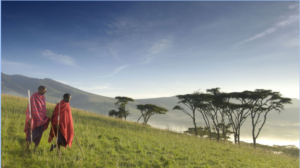
The Ngorongoro Conservation Area uniquely permits Maasai pastoralists to live and graze cattle alongside wildlife, creating opportunities for authentic cultural interactions. Responsible Ngorongoro Crater safaris can incorporate visits to Maasai villages where communities welcome visitors through organized cultural tourism programs.
These village visits provide insights into Maasai traditions, social structures, and the challenges of balancing traditional pastoralism with conservation requirements. Visitors observe traditional homes (bomas), learn about customs, watch ceremonial dances, and purchase authentic beadwork and crafts directly from artisans. When arranged through reputable operators ensuring fair compensation and respectful interaction, these cultural components enrich safari experiences while supporting local communities.
The Olduvai Gorge (Oldupai), located within the conservation area between Ngorongoro and Serengeti, offers paleontological significance as the site where Louis and Mary Leakey discovered crucial hominin fossils advancing human evolution. A small museum presents archaeological findings and explains the gorge’s importance to human origins research.
Conservation Challenges and Responsible Tourism
Ngorongoro Crater faces conservation pressures from tourism impacts, human-wildlife conflict, and balancing preservation with Maasai community needs. The crater’s popularity creates vehicle congestion during peak seasons, potentially stressing wildlife and degrading visitor experiences. Conservation authorities continuously refine management strategies to balance tourism revenue with ecosystem protection.
Responsible Ngorongoro Crater safaris prioritize ethical wildlife viewing—maintaining required distances from animals, limiting time at popular sightings to reduce cumulative disturbance, and never requesting guides to pursue or surround wildlife. Quality operators refuse client requests that compromise animal welfare or violate regulations, regardless of payment amounts.
Conservation fees collected from crater visitors fund anti-poaching patrols, habitat management, research, and community development programs. Choosing operators that fully comply with regulations, pay required fees, and support additional conservation initiatives helps ensure crater preservation for future generations.
Practical Preparations and Tips
Ngorongoro Crater’s elevation creates cooler conditions than lowland safari destinations. Pack layers including warm fleece or jacket for early morning rim temperatures, even during Tanzania’s warm seasons. The crater floor itself maintains moderate temperatures, allowing removal of layers during midday heat.
Crater access roads can prove challenging, particularly during wet conditions. Experienced drivers navigate these steep, winding routes safely, but those prone to motion sickness should consider preventative medications. The descent and ascent each require approximately 30-45 minutes of concentrated driving.
Toilet facilities on the crater floor are limited to basic long-drop toilets at designated picnic sites. Visitors should use accommodations’ facilities before descending and plan accordingly for the 4-6 hours spent on the crater floor. Designated picnic areas provide the only locations where exiting vehicles is permitted, coinciding with toilet and lunch facilities.
Photography equipment should include telephoto lenses (200-400mm ideal) for wildlife, wide-angle lenses for landscape compositions incorporating crater walls, and sufficient batteries as charging opportunities are limited during game drives. Dust can be significant, particularly during dry season, so protective camera bags and cleaning equipment prove valuable.
Costs and Value Propositions
Ngorongoro Crater safaris involve several cost components. Conservation Area entry fees currently stand at approximately $60 per adult per day, with vehicle fees ($300 per vehicle regardless of passenger number) and mandatory guide fees. These fees apply to all visitors, from budget camping tours to luxury experiences.
Budget crater safaris, utilizing basic camping accommodations and shared vehicles, start around $300-400 per person for overnight trips from Arusha including basic meals, camping, guide services, and fees. Mid-range safaris with comfortable lodges range $500-800 per person, while luxury crater rim experiences can exceed $1,000-1,500 per person daily.
The crater’s value proposition derives from concentrated wildlife encounters within a geologically spectacular setting. The near-guaranteed Big Five sightings (lions, elephants, buffalo, rhinos, and sometimes leopards) within a single day appeals particularly to time-limited travelers or those prioritizing efficient, high-quality wildlife viewing over extended wilderness immersion.
Conclusion
A Ngorongoro Crater safari represents safari tourism distilled to its essence—extraordinary wildlife concentrations within a landscape of incomparable natural drama, where the very geology creates theatrical staging for nature’s performances. As your safari vehicle descends the steep walls winding through montane forests into the vast amphitheater spread below, anticipation builds toward experiences that invariably exceed expectations despite the crater’s fame. Lions lounging in golden grasslands with crater walls rising behind them, black rhinos grazing peacefully in Africa’s most reliable viewing location, flamingos creating pink ribbons across alkaline lake waters, and the sheer density of life thriving within this natural enclosure create sensory impressions that photographs struggle to capture and words fail to adequately convey.
The crater’s compact geography delivers remarkable efficiency—more wildlife diversity encountered in six hours than many parks provide in multiple days—making it invaluable for comprehensive safari experiences within limited timeframes. Yet this efficiency doesn’t diminish the profound impact of witnessing an intact ecosystem functioning within boundaries created by volcanic forces millions of years ago, where predator and prey maintain ancient relationships largely undisturbed by human interference. Whether experienced as a standalone day trip or as a crown jewel within broader Tanzania safari itineraries, Ngorongoro Crater safaris create indelible memories of Africa at its wildest, most concentrated, and most geologically magnificent—a living Eden where nature’s abundance flourishes within the protective embrace of a volcanic amphitheater that stands among Earth’s greatest natural wonders.
Key Takeaways
- Ngorongoro Crater is the world’s largest intact volcanic caldera (260 km²) supporting 25,000-30,000 resident animals year-round
- The crater offers Africa’s best black rhino viewing opportunities with 30-40 critically endangered individuals residing within
- Entry fees include conservation fees ($60/adult/day) plus mandatory vehicle fees ($300) and guide requirements regardless of tour type
- Crater rim accommodations provide optimal experiences through early descents maximizing wildlife viewing before tourist crowds arrive
- Wildlife density permits near-guaranteed Big Five sightings (lion, elephant, buffalo, rhino, leopard) within a single day
- Year-round resident populations mean consistent wildlife viewing unlike migratory-dependent parks, though wet season offers fewer tourists
- Crater floor visits limit to 4-6 hours via designated routes with off-road driving prohibited to protect fragile ecosystems
- Day trips from Arusha (3-4 hours each way) are feasible but overnight crater rim stays deliver superior experiences
- Cool rim temperatures (particularly June-August) require warm layers; crater floor maintains moderate conditions
- The crater combines naturally with Serengeti, Tarangire, and Lake Manyara in comprehensive northern circuit safari itineraries
Frequently Asked Questions
How long does a Ngorongoro Crater safari take?
A typical Ngorongoro Crater safari involves 4-6 hours on the crater floor exploring via designated game drive routes, plus descent (30-45 minutes) and ascent (30-45 minutes) via steep access roads. Day trips from Arusha require 3-4 hours driving each direction, making total trip duration 10-12 hours. Overnight crater rim safaris permit more relaxed schedules with early morning descents around 6:30-7:00 AM, extended crater exploration, and afternoon ascents. Most travelers experience the crater as one component of multi-day northern circuit itineraries allocating 1-2 days for the complete crater experience.
What is the best time to visit Ngorongoro Crater?
The crater offers excellent year-round wildlife viewing due to resident populations that don’t migrate. Dry season (June-October) provides optimal photography conditions with clear skies and lower vegetation, but attracts maximum tourists creating vehicle congestion on the crater floor. Wet season (November-May) brings lush landscapes, newborn animals, exceptional birding, and dramatically fewer tourists while maintaining excellent wildlife viewing. December-March offers ideal balance with short rains creating green landscapes without excessive precipitation. Early morning visits any season provide best wildlife activity and fewer vehicles.
How much does a Ngorongoro Crater safari cost?
Crater safari costs vary significantly by accommodation and tour type. Mandatory fees include conservation area entry ($60/adult/day), crater vehicle fees ($300/vehicle regardless of passengers), and VAT. Budget camping safaris total $300-400 per person for overnight trips including basic accommodation, transport, guide, and fees. Mid-range lodge safaris average $500-800 per person daily, while luxury crater rim experiences cost $1,000-1,500+ per person daily. Day trips from Arusha start around $200-300 per person. Multi-day northern circuit safaris including the crater typically cost $2,000-5,000+ per person for 5-7 day itineraries.
Can you see the Big Five in Ngorongoro Crater?
Yes—Ngorongoro Crater offers Tanzania’s best Big Five viewing probabilities in a single location. Lions are virtually guaranteed with approximately 60-70 resident individuals frequently visible hunting or resting. Elephants (bachelor bulls) are common. Buffalo herds numbering hundreds graze throughout. Black rhinos (30-40 individuals) are reliably spotted, particularly early mornings, representing Tanzania’s most accessible rhino viewing. Leopards exist but are least frequently seen, preferring forested areas and being naturally elusive, though patient visitors have reasonable sighting chances. The crater’s compact geography and high wildlife density make Big Five completion possible within a single day.
Is one day enough for Ngorongoro Crater?
Yes—the crater’s compact geography (260 km² floor area) and high wildlife density permit comprehensive experiences within one day’s game driving. Most visitors spend 4-6 hours on the crater floor, which suffices for extensive wildlife viewing given the concentrated animal populations. However, overnight stays at crater rim lodges significantly enhance experiences through early descents avoiding tourist crowds, optimal morning wildlife activity, spectacular sunset crater views from rim accommodations, and relaxed pacing without rushing. Multi-day visits exploring the broader Ngorongoro Conservation Area including Olmoti Crater, Empakaai Crater, and cultural sites provide deeper regional immersion.
What should I wear on a Ngorongoro Crater safari?
Wear neutral-colored clothing (khaki, olive, beige, tan) suitable for safari game drives. The crater rim experiences cool temperatures requiring warm layers—fleece jackets, long pants, and warm socks, especially June-August and during early mornings/evenings when temperatures can approach freezing. The crater floor maintains moderate conditions allowing layer removal during midday warmth. Include a wide-brimmed hat, sunglasses, sunscreen, comfortable closed-toe shoes, and light rain jacket. Avoid bright colors (especially white and blue) that may disturb wildlife. Pack camera equipment, binoculars, insect repellent, and personal medications in a daypack accessible during game drives.
How does Ngorongoro Crater compare to Serengeti?
Ngorongoro Crater and Serengeti offer complementary experiences. The crater provides concentrated wildlife viewing in a compact 260 km² area with nearly guaranteed Big Five sightings within single days, spectacular geological scenery, and efficient safari experiences ideal for limited timeframes. The Serengeti spans 14,750 km² with diverse ecosystems, the Great Migration spectacle, and vast wilderness requiring multi-day exploration. Crater wildlife are resident year-round while Serengeti herds migrate seasonally. The crater feels more enclosed and theatrical; the Serengeti emphasizes endless plains and authentic wilderness. Optimal Tanzania safaris combine both, experiencing the crater’s concentrated drama and Serengeti’s expansive wildness.
Can I camp inside Ngorongoro Crater?
No—camping on the crater floor is prohibited. All overnight accommodation exists either on the crater rim (where several lodges and designated campsites operate) or in nearby Karatu town. Visitors descend to the crater floor only for daytime game drives, then must ascend before evening, exiting the conservation area or returning to rim accommodations. Crater rim camping at public campsites provides budget-friendly options with spectacular crater views and early descent access. These designated campsites offer basic facilities including toilets and showers. Staying overnight on the rim (camping or lodges) permits optimal early morning crater descents when wildlife activity peaks.