
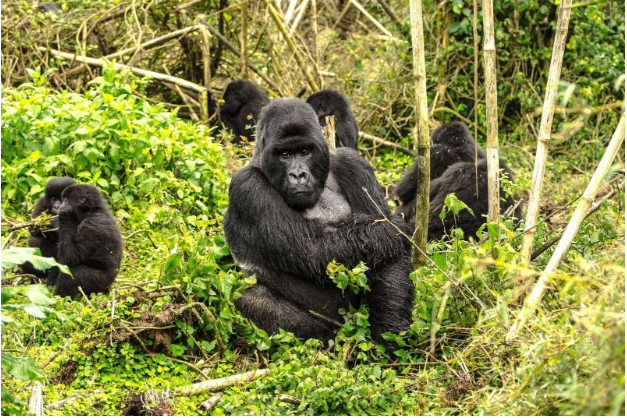
Mountain gorilla trekking in Rwanda represents one of the world’s most profound wildlife encounters, offering the rare privilege of observing our closest living relatives in their natural habitat. The Volcanoes National Park, nestled in the northwestern corner of this small East African nation, protects approximately one-third of the world’s remaining mountain gorillas. This extraordinary conservation success story, combined with Rwanda’s efficient tourism infrastructure and commitment to sustainable development, creates an unparalleled experience that transcends typical wildlife viewing and becomes a transformative journey into the heart of primate conservation.
The Mountain Gorilla: A Species on the Brink of Recovery
Mountain gorillas (Gorilla beringei beringei) survive exclusively in two isolated populations: the Virunga Massif spanning Rwanda, Uganda, and the Democratic Republic of Congo, and Uganda’s Bwindi Impenetrable Forest. These magnificent primates once teetered on extinction’s edge, with populations dropping below 300 individuals by the 1980s. However, intensive conservation efforts, community engagement, and sustainable tourism have reversed this trajectory, with current populations exceeding 1,000 individuals—a remarkable conservation achievement.
Adult male silverbacks can weigh up to 220 kilograms and stand 1.8 meters tall, their imposing physical presence tempered by gentle, contemplative demeanors. These intelligent primates share approximately 98.3% of human DNA, displaying complex social structures, emotional depth, and behaviors that mirror human families. Watching infant gorillas play, observing mothers nurture their young, or locking eyes with a massive silverback creates connections that fundamentally shift perspectives on wildlife, conservation, and humanity’s place in the natural world.
Volcanoes National Park: The Gorilla Sanctuary
Volcanoes National Park encompasses 160 square kilometers of montane and bamboo forest draped across five volcanic peaks of the Virunga Mountains. This protected area, established in 1925 as Africa’s first national park, gained international fame through primatologist Dian Fossey’s groundbreaking research and passionate conservation advocacy. Her work, documented in “Gorillas in the Mist,” transformed global awareness of mountain gorilla plight and established the foundation for modern gorilla tourism.
The park’s dramatic landscape features extinct and dormant volcanoes including Mount Karisimbi (4,507 meters), Mount Bisoke (3,711 meters), and Mount Muhabura (4,127 meters), their slopes covered in dense vegetation ranging from bamboo forests at lower elevations to alpine meadows near summits. This pristine wilderness hosts not only mountain gorillas but also golden monkeys, forest elephants, buffalo, numerous bird species, and diverse flora creating one of Africa’s most biodiverse ecosystems.
The park sits just two hours’ drive from Kigali International Airport via excellent paved roads, making Rwanda’s gorillas among the world’s most accessible. The gateway towns of Musanze (formerly Ruhengeri) and smaller villages near park boundaries offer accommodations ranging from budget guesthouses to ultra-luxury lodges, ensuring options for every traveler budget and preference.
The Gorilla Trekking Experience
Preparation and Briefing
Gorilla treks begin early, with visitors gathering at park headquarters in Kinigi by 7:00 AM for mandatory briefings. Rangers explain trekking protocols, safety guidelines, and behavioral expectations essential for both visitor safety and gorilla welfare. The briefings emphasize critical rules: maintain seven-meter distance from gorillas, avoid direct eye contact with silverbacks, move slowly and calmly, surrender if charged by a silverback, and absolutely no eating, drinking, or smoking near gorillas.
Visitors are assigned to specific gorilla families based on fitness levels and preferences indicated during booking. Rwanda currently habituates twelve gorilla families for tourism, each with distinct characteristics, locations, and personalities. Some families range near park boundaries requiring just 30-60 minutes of hiking, while others venture deep into the mountains necessitating 4-6 hours of strenuous trekking through challenging terrain.
The Trek
The journey to find gorillas traverses some of Africa’s most spectacular mountain scenery. Trails climb through agricultural lands where local communities cultivate potatoes, pyrethrum, and vegetables on volcanic slopes before entering dense bamboo forests and montane vegetation. The terrain challenges even fit hikers, with steep muddy slopes, stinging nettles, thick undergrowth, and high altitude (2,500-4,000 meters) affecting breathing and stamina.
Trackers depart early in the morning to locate gorilla families, communicating via radio with guides who adjust routes based on current gorilla positions. This tracking system maximizes the likelihood of successful encounters while minimizing trek duration uncertainty. The anticipation builds as you climb higher, following fresh gorilla signs—dung, feeding remains, knuckle prints in mud, broken vegetation creating trails through the forest.
The Encounter
The moment you first glimpse a mountain gorilla through thick vegetation creates an indescribable rush of emotion. These gentle giants typically continue their daily activities—feeding, grooming, playing, resting—largely unfazed by human observers. Habituated families have grown accustomed to quiet human presence through years of gradual acclimation, allowing remarkably intimate observations.
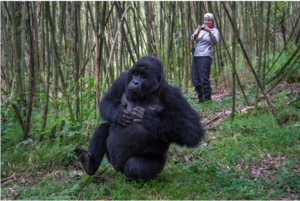
Visitors spend one precious hour with their assigned gorilla family, though time seems simultaneously endless and impossibly brief. Watching a massive silverback lounging peacefully while juveniles wrestle playfully nearby, observing mothers tenderly caring for infants, or having a curious youngster approach within meters creates memories seared permanently into consciousness. The gorillas’ calm acceptance, their familiar gestures and expressions, and the profound intelligence visible in their eyes forge connections that transcend species boundaries.
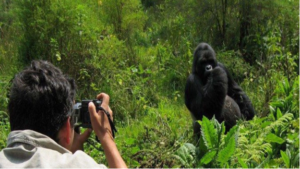
Photography is permitted without flash, allowing documentation of this extraordinary encounter. However, many visitors find themselves lowering cameras simply to be present, recognizing that some experiences exceed photographic capture. The hour passes in what feels like minutes, and the mandatory departure feels bittersweet—gratitude for the privilege mixed with reluctance to leave.
Return and Reflection
The trek back to park headquarters provides time to process the experience, compare observations with fellow trekkers, and absorb what you’ve witnessed. Upon return, successful trekkers receive certificates commemorating their gorilla encounter, a tangible reminder of this conservation participation. Many visitors describe gorilla trekking as life-changing, fundamentally altering their perspectives on wildlife conservation, environmental protection, and humanity’s relationship with nature.
Gorilla Families Available for Trekking
Rwanda habituates twelve gorilla families for tourism, each offering unique dynamics and characteristics:
Susa Group: One of the largest families with approximately 33 members, including playful juveniles and multiple silverbacks. This group requires the most challenging trek, often venturing to high elevations, but rewards effort with spectacular group dynamics.
Karisimbi Group: Named after Mount Karisimbi on whose slopes they range, this family requires significant trekking endurance but offers encounters in stunning high-altitude settings.
Sabyinyo Group: Known for accessibility with shorter treks, this family includes impressive silverbacks and active youngsters, making it ideal for those with limited trekking ability.
Amahoro Group: The name means “peace” in Kinyarwanda, reflecting this family’s particularly calm demeanor. Led by the gentle silverback Ubumwe, this group provides serene encounters.
Umubano Group: A breakaway group featuring the powerful silverback Charles, known for dramatic displays and dynamic family interactions.
Other families including Hirwa, Bwenge, Ugenda, Muhoza, Kwitonda, Isimbi, and Agashya each offer distinct personalities and experiences, with rangers matching visitors to families based on fitness assessments and trekking preferences.
Physical Requirements and Preparation
Gorilla trekking demands reasonable fitness, though exact requirements vary dramatically based on which family you’re assigned. Treks can range from gentle 1-2 hour round trips on relatively flat terrain to brutal 8-hour slogs up steep, muddy mountainsides at high altitude. Most treks fall somewhere between these extremes, averaging 4-6 hours total including the one-hour viewing period.
The variable terrain includes slippery mud, steep inclines, stinging nettles, thick vegetation, and uneven footing that challenges balance and stamina. Altitude affects breathing and energy levels, particularly when pursuing families ranging above 3,000 meters. While porters are available to carry daypacks and assist on difficult sections, basic cardiovascular fitness and leg strength prove essential.
Preparation should include regular hiking with elevation gain if possible, cardiovascular conditioning, and leg strengthening exercises. Those with mobility limitations should communicate honestly during booking to ensure assignment to more accessible families. Age restrictions require trekkers to be at least 15 years old, though no upper age limit exists for those physically capable.
Permits, Costs, and Booking
Rwanda gorilla permits cost $1,500 per person, positioning them as premium experiences but also ensuring sustainable tourism that funds conservation and community development. This price point, while substantial, reflects the permit’s value: contributing directly to gorilla protection, supporting local communities, and limiting visitor numbers to sustainable levels that minimize gorilla stress.
Permits must be booked months in advance—often 6-12 months for peak season travel (June-September, December-February)—through the Rwanda Development Board or authorized tour operators. The limited number of permits available daily (96 total across twelve families) creates scarcity requiring early planning. Last-minute availability sometimes occurs for wet season dates (March-May, November) when demand decreases.
The permit includes park entrance, one hour with gorillas, ranger guides, and security. It does not include accommodation, transportation, porters, or tips. When budgeting, factor in accommodation costs ranging from $50 for basic lodges to $1,000+ for luxury properties, plus transportation, meals, and incidentals.
Best Time for Gorilla Trekking
Gorilla trekking operates year-round, with each season offering distinct advantages. The dry seasons from June through September and December through February provide optimal conditions with less rainfall, drier trails, and easier trekking. These months attract peak visitor numbers, requiring earliest permit booking and commanding premium accommodation rates.
The wet seasons (March-May and November) bring afternoon rains, muddy trails, and more challenging conditions, but also advantages including easier permit availability, lower accommodation costs (20-30% discounts), lusher landscapes, and less crowded experiences. The gorillas remain accessible and unaffected by rain, continuing their activities regardless of weather.
Temperature remains relatively constant year-round given the equatorial location, though altitude creates cooler conditions than lowland areas. Morning temperatures can dip to 10°C or below at higher elevations, while afternoons warm considerably. The key consideration is rainfall and trail conditions rather than temperature extremes.
What to Bring and Wear
Proper preparation enhances comfort and enjoyment during gorilla treks:
Clothing: Long-sleeved shirts and full-length pants protect against stinging nettles, insects, and vegetation. Avoid camouflage patterns which are illegal in Rwanda. Layers accommodate temperature changes as you climb and as weather fluctuates. Waterproof rain jacket proves essential even in dry season.
Footwear: Sturdy, broken-in hiking boots with good ankle support and aggressive tread provide essential traction on muddy slopes. Gaiters prevent mud, water, and vegetation from entering boots.
Accessories: Garden gloves protect hands when grabbing vegetation for balance. Trekking poles assist on steep sections. Wide-brimmed hat and sunglasses provide sun protection during initial agricultural land crossing.
Gear: Small daypack for water, snacks, camera, rain gear. Insect repellent deters forest insects. Waterproof bag or cover protects camera equipment from rain and humidity.
Hydration and Snacks: Sufficient water for several hours of exertion. Energy bars or snacks for pre-trek breakfast and energy boosts, though eating near gorillas is prohibited.
Health and Safety Considerations
Mountain gorillas share 98.3% of human DNA, making them susceptible to human diseases. This vulnerability necessitates strict health protocols protecting gorilla populations from human-transmitted illnesses. Anyone with contagious conditions—colds, flu, stomach bugs—should not trek, and responsible operators enforce this restriction despite permit costs.
The seven-meter distance rule exists primarily to minimize disease transmission rather than physical danger. Gorillas are generally gentle and tolerant of habituated human presence. However, they are wild animals and situations can evolve unpredictably. Following ranger instructions, moving slowly, avoiding direct eye contact with silverbacks, and remaining calm during any charges ensures safety.
Malaria risk exists at lower elevations around Musanze, though the park’s higher elevations fall outside prime malaria zones. Prophylaxis is recommended nonetheless. Yellow fever vaccination is required if arriving from endemic countries. Comprehensive travel insurance including emergency medical evacuation provides a crucial safety net given Rwanda’s limited advanced medical facilities.
Conservation Impact and Community Benefits
Every gorilla trekking permit directly funds conservation efforts, anti-poaching patrols, habitat protection, and veterinary care for injured or sick gorillas. Additionally, revenue-sharing programs allocate tourism income to local communities, funding schools, health centers, water projects, and infrastructure development. This economic incentive transforms local populations from potential threats into conservation stakeholders invested in gorilla survival.
The model demonstrates how sustainable wildlife tourism can simultaneously protect endangered species and improve human livelihoods. Communities bordering the park now benefit economically from gorilla presence, fundamentally shifting attitudes toward conservation. Former poachers have become guides, trackers, and porters, applying intimate forest knowledge to tourism rather than exploitation.
Ethical Considerations
While gorilla tourism provides critical conservation funding, ethical debates continue regarding human impact on wild populations. The daily exposure to human groups, potential disease transmission, and behavioral changes from habituation raise legitimate concerns. However, research suggests properly managed tourism causes minimal stress to habituated families, and the economic value created represents the gorillas’ best survival chance given competing land-use pressures.
Responsible trekking means following all rules rigorously, maintaining required distances, limiting viewing time to one hour, and refraining from trekking when ill. Supporting operators with strong conservation credentials and environmental practices ensures your tourism contribution maximizes positive impact while minimizing negative consequences.
Combining Gorilla Trekking with Other Experiences
Rwanda’s compact size facilitates combining gorilla trekking with diverse experiences. Golden monkey trekking in Volcanoes National Park offers more active encounters with these endangered primates. Dian Fossey’s grave and former research station provide historical context and stunning hikes to over 3,000 meters elevation.
Cultural experiences including Iby’iwacu Cultural Village demonstrate traditional Rwandan life, while Kigali’s genocide memorials provide sobering education about Rwanda’s history and remarkable recovery. Wildlife safaris in Akagera National Park showcase savanna species including elephants, lions, and rhinos. Nyungwe Forest offers chimpanzee trekking and canopy walks through ancient montane forests.
Most visitors allocate 2-3 days for the Volcanoes region, allowing gorilla trekking plus secondary activities, with additional days for Kigali exploration or other national parks based on available time.
Conclusion
Mountain gorilla trekking in Rwanda delivers experiences that exceed superlatives and resist adequate description. The physical challenge of climbing through bamboo forests and volcanic slopes, the anticipation building with each gorilla sign, and the profound moment of first contact with these magnificent primates combine into journeys that fundamentally shift perspectives on wildlife, conservation, and our place in the natural world.
Beyond the personal transformation, every trek contributes meaningfully to one of conservation’s greatest success stories. Your permit funds protection for critically endangered species, supports communities living alongside protected areas, and demonstrates that wildlife holds value beyond exploitation. The mountain gorillas’ recovery from near-extinction to growing populations proves that dedicated conservation efforts, community engagement, and sustainable tourism can reverse even dire trajectories.
Rwanda’s efficient organization, safety, cleanliness, and accessibility make gorilla trekking more logistically straightforward than in neighboring countries, while the profound encounter remains equally powerful regardless of which nation you choose. The investment—both financial and physical—yields returns measured not in monetary terms but in memories, perspectives, and connections that endure lifetimes.
Standing meters from a silverback who tolerates your presence with calm dignity, watching infant gorillas tumble playfully while mothers watch protectively, or locking eyes briefly with a creature so recognizably similar yet magnificently wild—these moments transcend typical travel experiences. They remind us of our evolutionary heritage, our responsibility as planetary stewards, and the extraordinary privilege of sharing Earth with creatures as remarkable as mountain gorillas.
For anyone seeking truly transformative travel, for conservation supporters wanting direct impact, for wildlife enthusiasts pursuing authentic encounters, or for adventurers ready to challenge themselves physically while nourishing their souls—mountain gorilla trekking in Rwanda awaits as an incomparable experience that justifies every effort, expense, and preparation required to make it reality.
Key Takeaways
- Rwanda gorilla permits cost $1,500 per person and must be booked 6-12 months ahead for peak seasons (June-September, December-February), with proceeds funding conservation and communities.
- Twelve habituated gorilla families are available for tourism in Volcanoes National Park, each offering unique group dynamics and varying trek difficulties from 1-8 hours.
- Minimum age requirement is 15 years with no upper age limit, though reasonable fitness is essential for treks that can include steep, muddy terrain at altitudes exceeding 2,500 meters.
- One hour is permitted with gorillas following mandatory safety briefings covering seven-meter distance rules, health protocols, and behavioral guidelines protecting both visitors and gorillas.
- Dry seasons (June-September, December-February) offer easiest trekking conditions but require earliest booking, while wet seasons provide permit availability and lower accommodation costs.
- Disease transmission poses the greatest threat to gorillas—anyone with contagious illness must not trek despite permit costs, and strict health protocols protect vulnerable populations.
- Volcanoes National Park sits just two hours from Kigali via excellent roads, making Rwanda’s gorillas among the world’s most accessible mountain gorilla populations.
- Porters are available to carry packs and assist on difficult sections—hiring porters supports local communities while making treks more manageable for those with fitness concerns.
- Proper gear is essential including sturdy hiking boots, gaiters, rain jacket, gloves, and layered clothing for variable temperatures and muddy conditions.
- Conservation success has increased populations from under 300 individuals in the 1980s to over 1,000 currently, demonstrating that sustainable tourism effectively funds species protection.
Frequently Asked Questions
How difficult is gorilla trekking physically?
Difficulty varies dramatically based on which gorilla family you’re assigned. Some families require just 1-2 hours of moderate hiking, while others demand 6-8 hours of strenuous trekking up steep, muddy slopes at high altitude. Most experiences fall in the 4-6 hour range requiring reasonable fitness. Altitude (2,500-4,000 meters) affects breathing and stamina. Those with mobility concerns should communicate this during booking to ensure assignment to more accessible families, and porters are available to assist.
Can I guarantee seeing gorillas?
While never 100% guaranteed with wild animals, success rates exceed 98% in Rwanda. Trackers locate families early morning before tourists depart, and radio communication ensures guides can adjust routes to current gorilla positions. The habituated families generally remain in predictable territories. In the rare event of unsuccessful sightings (usually due to families moving exceptional distances), some operators offer discounted repeat attempts.
What is the best age for gorilla trekking?
The minimum age is 15 years old strictly enforced through passport verification. No maximum age exists—physical capability matters more than chronological age. Teenagers aged 15-17 successfully trek regularly, though some families’ demanding hikes might challenge younger participants. Older trekkers in their 60s-70s complete treks successfully with proper fitness preparation and potentially easier family assignments. Assess fitness honestly when booking.
How close can I get to the gorillas?
The official minimum distance is seven meters (about 23 feet), though gorillas themselves sometimes approach closer. If a gorilla approaches you, remain still and allow it to pass—you should not move toward gorillas, but you’re not expected to flee if they approach you. This often happens with curious juveniles. Rangers monitor distances and will instruct you to move if you inadvertently get too close.
What if I’m not fit enough for the trek?
Communicate fitness concerns during booking so operators can request assignment to more accessible families like Sabyinyo or Amahoro that typically range at lower elevations. Hire a porter ($15-20) to carry your pack and provide physical assistance on difficult sections—they can virtually pull you up steep slopes if needed. Consider bringing a walking stick or trekking poles. Some lodges near the park offer sedan chair services for those with severe mobility limitations, though these significantly increase costs.
Can I trek if I have a cold or illness?
Absolutely not. This rule protects gorillas from human-transmitted diseases that could devastate populations given their genetic similarity to humans. Responsible operators strictly enforce this restriction despite permit costs and the financial burden on sick travelers. Comprehensive travel insurance should cover permit costs if you must cancel due to illness. This is the single most important rule for gorilla welfare.
How should I prepare physically?
Start training 2-3 months before your trek with regular hiking including elevation gain if possible. Stair climbing, cycling, and cardiovascular exercises build necessary stamina. Practice hiking with a small daypack and in similar footwear to what you’ll wear. If you live at sea level, arrive in Rwanda 1-2 days early for altitude acclimatization. Flexibility exercises help navigate uneven terrain. Even fit individuals find the treks challenging, so adequate preparation prevents disappointment.
Is gorilla trekking safe?
Yes, when following ranger instructions. Gorillas are generally peaceful, and habituated families tolerate human presence calmly. Charges by silverbacks occasionally occur but are usually bluff displays—remaining calm, avoiding eye contact, and crouching submissively as instructed prevents escalation. Rangers carrying AK-47s accompany groups primarily for buffalo protection rather than gorillas. The greater risks come from terrain (slipping on mud, altitude sickness) rather than animal encounters. Thousands trek safely annually.
What happens if it rains during my trek?
Treks proceed regardless of weather—rain doesn’t affect gorilla viewing and the primates continue normal activities. Bring quality waterproof rain gear including jacket, pack cover, and protection for camera equipment. Trails become muddier and more slippery in rain, so gaiters and good boots prove essential. Some visitors actually prefer rainy treks for dramatic atmospheric conditions and fewer crowds. The forest’s beauty intensifies during rain.
Can I take photos and videos?
Yes, photography and videography are permitted without flash, which could startle gorillas or damage their vision. Bring weather-sealed camera equipment given humid forest conditions. Disable all camera sounds including autofocus beeps and shutter clicks. Memory cards should have ample capacity—you’ll take many photos during your one hour. However, balance photography with simply being present; many trekkers regret spending the entire hour behind viewfinders rather than fully experiencing the encounter.