
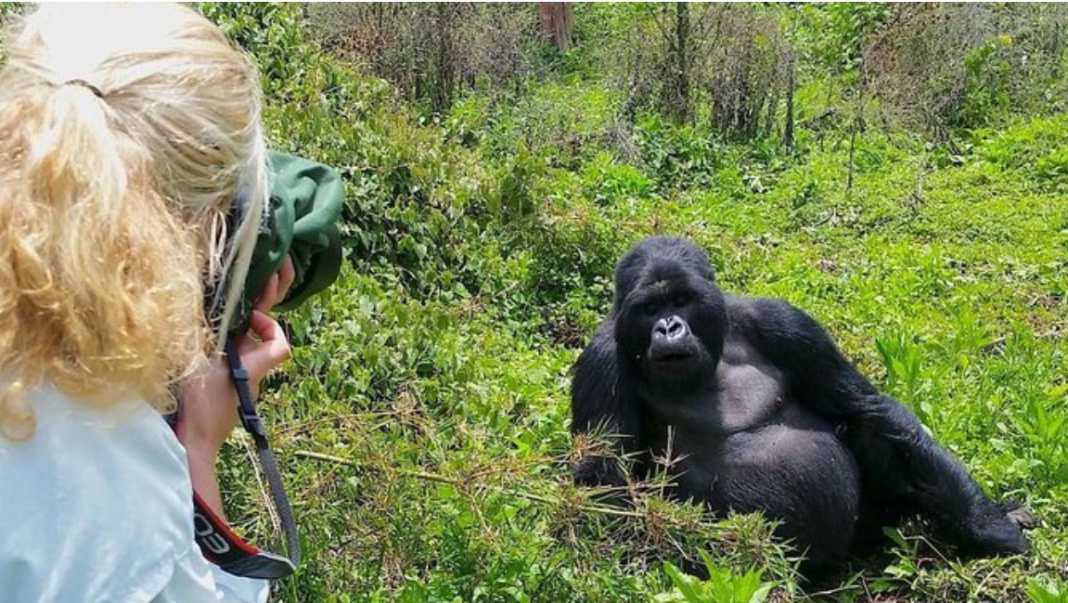
For wildlife enthusiasts and adventure travelers, few experiences compare to encountering mountain gorillas in their natural habitat. Nestled within the misty mountains of East Africa, Uganda and Rwanda offer some of the most sought-after gorilla trekking experiences in the world. These encounters combine breathtaking landscapes, rare wildlife sightings, and conservation-driven tourism, making them a once-in-a-lifetime adventure.
Why Gorilla Trekking is Unique
Gorilla trekking is a form of eco-tourism that allows travelers to hike through lush forests and volcanic mountains to observe mountain gorillas up close. Unlike typical safari experiences, gorilla trekking involves trekking on foot, often through dense vegetation and steep terrain, making the journey both physically challenging and incredibly rewarding.
What makes this experience extraordinary is the opportunity to witness gorillas’ natural behaviors—watching silverbacks lead their family groups, mothers care for infants, and juveniles play in the forest. This intimate connection with such intelligent and gentle creatures is both humbling and unforgettable.
Gorilla Destinations in Rwanda
Rwanda, often called the “Land of a Thousand Hills,” is home to Volcanoes National Park, the most famous gorilla trekking destination in the country. Established in 1925, this park conserves nearly a third of the world’s remaining mountain gorillas.
Key features of gorilla experiences in Rwanda include:
Volcanoes National Park – The lush forested slopes of the Virunga Mountains provide the perfect habitat for gorilla families. Trekking permits are strictly regulated, ensuring sustainable tourism and minimal disturbance to the gorillas.
Golden Monkeys – In addition to gorillas, visitors can track the endangered golden monkeys, a unique and playful primate species found only in this region.
Scenic Hiking Trails – The trekking routes offer spectacular views of volcanic peaks, misty valleys, and vibrant flora, making the journey as visually rewarding as the destination.
Gorilla Destinations in Uganda
Uganda, known as the “Pearl of Africa,” offers gorilla trekking in Bwindi Impenetrable Forest National Park and Mgahinga Gorilla National Park. These parks are celebrated for their biodiversity and conservation success stories.
Highlights of Uganda’s gorilla experiences include:
Bwindi Impenetrable Forest – A UNESCO World Heritage site, Bwindi is home to over half of the world’s mountain gorilla population. Its dense forests provide a magical, almost mystical trekking experience.
Mgahinga Gorilla National Park – Located on the border with Rwanda and the Democratic Republic of Congo, Mgahinga offers trekking and conservation-focused tours with fewer crowds.
Chimpanzee and Wildlife Encounters – In addition to gorillas, Uganda offers opportunities to see chimpanzees, forest elephants, and exotic bird species.
Preparing for the Trek
Gorilla trekking in Uganda and Rwanda requires preparation and fitness:
Fitness Level – Treks can last 2–6 hours on steep, muddy, and uneven trails, so a moderate level of physical fitness is recommended.
Gear – Trekking boots, long trousers, long sleeves, gloves, rain gear, walking sticks, and insect repellent are essential.
Permits – Gorilla trekking permits are mandatory and limited. Early booking is crucial, especially during peak seasons.
Health – Visitors should be free from contagious diseases, as gorillas are susceptible to human illnesses.
Conservation and Community Impact
Gorilla tourism plays a vital role in conservation. Fees from trekking permits fund anti-poaching measures, habitat protection, and local community projects. By participating in these experiences, travelers directly contribute to the protection of endangered mountain gorillas and the economic development of local communities.
Local communities benefit through employment opportunities, cultural tourism, and infrastructure development. This model of eco-tourism ensures that conservation and community welfare go hand in hand.
Best Time to Visit
The best periods for gorilla trekking in Uganda and Rwanda are during the dry seasons:
December to February – Cooler temperatures and easier trekking conditions.
June to September – Dry months with clear trails and optimal wildlife visibility.
Rainy seasons can make trekking more challenging but also less crowded, offering a more serene experience.
Tips for a Successful Gorilla Trek
Book Early – Trekking permits are limited and in high demand.
Travel Light – Carry essentials like water, snacks, camera, and rain gear.
Respect Wildlife – Maintain a safe distance, follow guide instructions, and avoid loud noises.
Stay Flexible – Gorilla movements are unpredictable; patience often leads to the most memorable encounters.
Capture Memories – Photography is allowed without flash. Enjoy the moment while capturing unforgettable images.
Conclusion
Uganda and Rwanda offer some of the world’s most incredible gorilla experiences, combining adventure, wildlife conservation, and cultural immersion. Trekking through misty forests to observe mountain gorillas in their natural habitat is an awe-inspiring journey that connects travelers with nature like no other.
Whether in the volcanic landscapes of Rwanda or the dense forests of Uganda, these experiences provide not only unforgettable wildlife encounters but also support conservation and community development. For anyone seeking a once-in-a-lifetime adventure, gorilla trekking in Uganda and Rwanda is the ultimate bucket-list experience.