
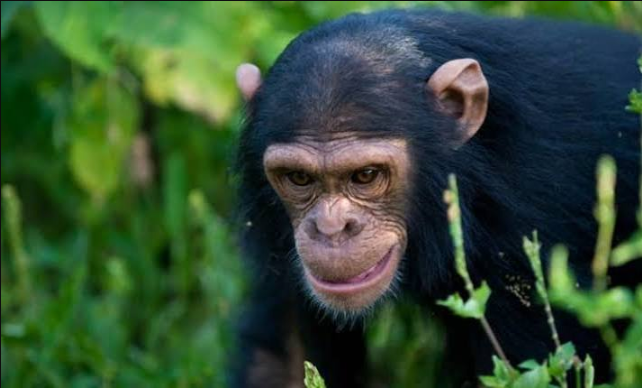
Deep in southwestern Rwanda lies a rainforest filled with wildlife, dramatic landscapes, and opportunities for unforgettable outdoor adventures. Nyungwe National Park is particularly appealing to travelers interested in primates, and chimpanzee trekking provides one of the best ways to explore this remarkable environment.
The experience is active, unpredictable, and deeply connected to the natural surroundings.
Beginning the Journey
A chimpanzee trekking experience starts before visitors enter the forest. Travelers receive guidance and prepare for the day’s adventure before following trained guides and trackers onto the trails.
The trackers play an important role in locating chimpanzee communities. Because the animals move naturally through the forest, visitors may need to walk considerable distances before reaching them.
The journey therefore becomes as important as the final encounter.
What Makes Chimpanzees Interesting?
Chimpanzees are among the world’s most fascinating primates. They live in social groups and display a wide variety of behaviors.
During a trek, visitors may see individuals feeding on fruit, moving through trees, communicating with other chimpanzees, or grooming members of their group.
Observing these behaviors in the wild provides a completely different experience from seeing animals in a controlled environment.
The Beauty of Nyungwe
The rainforest provides a spectacular backdrop for the experience.
Tall trees, thick vegetation, forest trails, mountain scenery, and changing weather conditions make Nyungwe visually impressive. The sounds of the forest also add to the atmosphere, creating a feeling of being completely surrounded by nature.
For travelers who enjoy photography, the forest provides many opportunities to capture landscapes as well as wildlife.
A Trek for Adventure Lovers
Chimpanzee trekking requires an adventurous spirit. The animals are wild and their movements cannot be predicted with complete accuracy.
Some treks may involve relatively easy walking, while others can require longer hikes depending on where the chimpanzees are located.
This element of uncertainty makes the experience exciting. Instead of following a fixed route toward a guaranteed viewing location, travelers participate in an active search.
Discover Other Wildlife
Nyungwe is not only home to chimpanzees. Visitors may encounter other primates, birds, and numerous forms of plant life while exploring the forest.
Even when attention is focused on chimpanzees, the surrounding ecosystem constantly offers opportunities for discovery.
This makes a forest trek particularly rewarding for travelers who enjoy biodiversity.
Make Your Visit More Memorable
Travelers can combine chimpanzee trekking with additional Nyungwe activities. Forest walks provide more time to explore the ecosystem, while birdwatching can introduce visitors to species they might otherwise miss.
The canopy walkway is another popular way to experience the forest, offering elevated views over the treetops.
Together, these activities allow visitors to experience Nyungwe from multiple perspectives.
Planning Ahead
Good preparation can make a significant difference. Comfortable hiking shoes are recommended, along with clothing suitable for humid conditions.
A waterproof layer can be useful because rainfall is possible in a rainforest environment. Travelers should also carry sufficient water and consider bringing binoculars and camera equipment.
Before traveling, visitors should confirm current trekking requirements, permits, schedules, and other regulations with their tour operator or relevant tourism authorities.
An Experience to Remember
Chimpanzee trekking in Rwanda is more than a wildlife viewing activity. It is a journey into one of the country’s most fascinating natural environments.
From following trackers through the forest to watching chimpanzees interact in the trees, every stage of the experience can create lasting memories.
For travelers seeking nature, adventure, and authentic wildlife encounters, Nyungwe offers an opportunity to discover a remarkable side of Rwanda.