
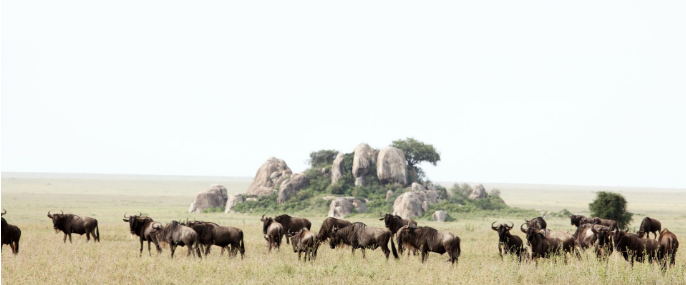
Few destinations on Earth stir the human spirit quite like Tanzania safaris. Stretching across East Africa with a landscape as diverse as its wildlife, Tanzania is home to some of the most iconic safari destinations in the world. From the endless golden plains of the Serengeti to the snow-capped summit of Mount Kilimanjaro, this extraordinary nation offers travelers a front-row seat to nature’s most spectacular theater. Whether you are witnessing the Great Migration, tracking lions at dusk, or gazing across the vast Ngorongoro Crater at sunrise, a Tanzania safari is a transformative experience unlike any other.
Tanzania safaris and Kenya safaris ecosystem is unmatched in scale and biodiversity. The country protects nearly 38% of its land in national parks, game reserves, and conservation areas — a figure that places it among the most wildlife-committed nations on the planet. With over 4 million wildebeest, zebra, and gazelle moving across its plains each year, and with the legendary “Big Five” (lion, elephant, buffalo, leopard, and rhinoceros) all present within its borders, Tanzania consistently earns its reputation as the jewel of African safari travel.
This guide is designed to help you navigate everything you need to know — the best parks to visit, ideal travel seasons, what to expect on game drives, accommodation options, cultural highlights, and expert tips for making the most of your Tanzanian adventure.
The Top Safari Destinations in Tanzania
1. Serengeti National Park
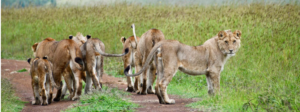
The Serengeti is arguably the most famous safari destination in the world, and for good reason. Covering nearly 15,000 square kilometers of savannah, open woodlands, and riverine forests, it supports one of the most diverse wildlife populations on Earth. The park is the permanent residence of enormous lion prides, massive elephant herds, cheetah families, and countless wildebeest.
The Great Migration is the headline act. Driven by rainfall and the search for fresh grass, over 1.5 million wildebeest undertake a continuous circular journey across the ecosystem. The dramatic river crossings at the Mara River — where crocodiles lie in wait — are among nature’s most breathtaking and heart-pounding spectacles.
Game drives in the Serengeti can be productive year-round. The central Seronera region offers excellent year-round wildlife viewing due to its permanent water sources. The Northern Serengeti near Kogatende is the place to be from July to October for river crossings. The Southern Serengeti around Ndutu transforms into a nursery of life from December to March, when wildebeest give birth to hundreds of thousands of calves.
2. Ngorongoro Conservation Area
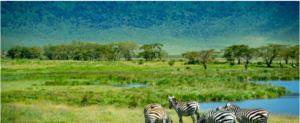
The Ngorongoro Crater is a UNESCO World Heritage Site and a geological wonder. Formed when a massive volcano collapsed on itself roughly 2 to 3 million years ago, the crater now forms a self-contained 260-square-kilometer ecosystem that shelters an estimated 25,000 large mammals. Critically, it is one of the easiest places in Africa to spot the endangered black rhino in the wild.
The Ngorongoro Conservation Area also holds deep cultural significance as a shared-use zone where Maasai communities live alongside wildlife. Visitors can arrange cultural visits to traditional Maasai bomas (homesteads) to learn about this iconic pastoralist society, their cattle-herding traditions, and their relationship with the land.
3. Tarangire National Park
Often overlooked in favor of the Serengeti, Tarangire is one of Tanzania’s most underrated parks. During the dry season (June to October), it hosts one of the largest elephant concentrations in Africa, as herds converge on the Tarangire River, the only year-round water source in the region. The landscape is defined by ancient baobab trees — some over 1,000 years old — which give the park a prehistoric, otherworldly atmosphere.
Tarangire is also a birding paradise, with over 550 recorded bird species including the yellow-collared lovebird, Ashy starling, and the iconic ground hornbill.
4. Selous Game Reserve (Nyerere National Park)
The Selous, recently renamed Nyerere and Bwindi forest National Park in honor of Tanzania’s founding father, is one of the largest protected areas in Africa and a UNESCO World Heritage Site. It offers a fundamentally different safari experience from the northern parks — more remote, more exclusive, and with a greater emphasis on walking safaris and boat safaris along the Rufiji River.
The southern circuit draws serious safari enthusiasts seeking solitude and wild encounters without the crowds. Wild dog (painted wolf) sightings are more reliable here than almost anywhere else in Africa, and lion prides are large and frequently seen.
When to Go: Tanzania’s Safari Seasons
Tanzania’s safari and Rwanda safaris calendar revolves around two key seasons:
Dry Season (June – October): This is peak safari season. Vegetation thins out, animals congregate around permanent water sources, and wildlife is highly visible. This is also the best time to witness the Mara River crossings in the Northern Serengeti. Accommodation fills up quickly and prices are at their highest.
Wet Season (November – May): Broken into short rains (November–December) and long rains (March–May), this period sees lush, green landscapes and dramatic skies perfect for photography. Migratory birds arrive in large numbers, and the Southern Serengeti’s calving season (January–March) brings extraordinary predator action. Rates are generally lower and parks are less crowded.
Best compromise: January and February offer excellent wildlife, the calving season spectacle, and relatively dry conditions in many parks.
Safari Experiences: What to Expect
Game Drives
The classic game drive — conducted in open-sided 4WD vehicles at dawn and dusk — remains the primary way to explore Tanzania’s wildlife. Experienced guides bring encyclopedic knowledge of animal behavior, tracking skills, and the ability to position vehicles for optimal viewing and photography.
Walking Safaris
Available in Selous, Ruaha, and some private concessions, walking safaris offer an intimate, ground-level encounter with the African bush. Led by armed, licensed guides, these experiences heighten every sense and build a profound connection with the ecosystem.
Hot Air Balloon Safaris
A sunrise balloon safari over the Serengeti is one of the most iconic experiences in African travel. Floating silently above the plains as lions head back to rest and herds begin to move is a genuinely surreal and unforgettable experience.
Cultural Visits
No Tanzania safaris and Uganda safaris are complete without engaging with local communities. Visits to Maasai villages, spice farm tours in Zanzibar, and interactions with Hadzabe bushmen near Lake Eyasi all add irreplaceable depth to the journey.
Accommodation: From Tents to Luxury Lodges
Tanzania’s accommodation landscape is as varied as its landscape.
Luxury Camps and Lodges: Properties like &Beyond Klein’s Camp, Four Seasons Serengeti, and Singita Grumeti set the global standard for safari luxury. Expect private plunge pools, gourmet dining, and personalized service starting from $1,000 to $2,500+ per person per night.
Mid-Range Tented Camps: Offering genuine bush immersion at a more accessible price point, camps like Lemala Ewanjan and Kubu Kubu Tented Lodge provide excellent game access and comfort from $350 to $800 per person per night.
Budget Camping: Public campsites in national parks allow independent travelers and overland groups to experience Tanzania’s wilderness from around $30 to $150 per person per day.
Practical Travel Tips
- Visas: Most nationalities require a visa to enter Tanzania, available online as an e-Visa through the official Tanzania immigration portal.
- Vaccinations: Yellow fever vaccination is required if arriving from certain countries. Consult a travel health clinic at least 6 weeks before departure.
- Malaria: Tanzania is a malaria zone. Take prescribed prophylactics and use insect repellent, especially around dawn and dusk.
- Currency: The Tanzanian Shilling (TZS) is the local currency. USD is widely accepted in tourist areas. Carry small USD bills for tips and market purchases.
- Tipping: Tipping guides is customary and important — $10–20 USD per day per guide is the standard.
- Photography: A telephoto lens (200–500mm) is highly recommended. Morning and late afternoon light produces the most dramatic wildlife images.
Questions & Answers
Q: Do I need prior safari experience to visit Tanzania? A: Not at all. Tanzania’s safari infrastructure caters to first-timers and seasoned travelers alike. Guides are highly experienced and briefings at your lodge will prepare you for everything. Many visitors are on their very first safari.
Q: Is Tanzania safe for tourists? A: Tanzania safaris and Congo safaris considered one of Africa’s safer safari destinations. The national parks are managed by Tanzania National Parks (TANAPA), and tourist areas are generally secure. Standard precautions — not leaving valuables unattended, using reputable operators — apply as they would anywhere.
Q: Can I combine Kilimanjaro with a safari? A: Absolutely. Many travelers pair a Kilimanjaro trek (typically 6–9 days depending on the route) with a northern circuit safari. This combination makes for a physically demanding but extraordinarily rewarding adventure.
Q: What is the minimum budget needed for a Tanzania safari? A: Budget safaris using public campsites and shared group vehicles can cost as little as $150–200 per person per day including park fees. A mid-range experience averages $400–700/day, while luxury safaris can exceed $2,000/day. Park fees alone range from $50–80 per person per day in most parks.
Q: How long should I spend on a Tanzania safari? A: A minimum of 7 days allows you to cover two or three parks meaningfully. Ten to fourteen days is ideal for a fuller northern and southern circuit experience, or for combining a safari with Zanzibar or Kilimanjaro.
Q: Is it ethical to visit Maasai villages? A: Yes, provided visits are arranged through ethical operators who work directly with communities and ensure that revenue benefits the people. Avoid purely commercialized performances and seek authentic, community-led experiences.
Q: What is the best park for first-time safari-goers? A: The Serengeti-Ngorongoro combination is the classic first-time choice. It offers outstanding wildlife density, reliable sightings, and the iconic African landscape most people envision when they think of a safari.
Key Takeaways
- Tanzania is home to the world’s greatest wildlife spectacle — the annual Great Wildebeest Migration, where over 1.5 million wildebeest and hundreds of thousands of zebras cross between the Serengeti and Kenya’s Masai Mara.
- The best time to visit is during the dry season (June to October) for optimal wildlife viewing, or January to March for the calving season in the Southern Serengeti.
- Ngorongoro Crater is the world’s largest intact volcanic caldera and one of Africa’s densest concentrations of wildlife, including critically endangered black rhinos.
- Tanzania’s northern circuit — encompassing Serengeti, Ngorongoro, Tarangire, and Lake Manyara — is the most popular and well-developed safari route.
- The southern circuit (Selous/Nyerere and Ruaha) offers a more remote, exclusive safari experience with fewer tourists and exceptional predator sightings.
- Cultural immersion is a major draw, with Maasai villages, Chagga communities, and Swahili coastal culture all accessible during a typical safari itinerary.
- Zanzibar pairs perfectly with any Tanzania safari as a beach extension — just 45 minutes by flight from Dar es Salaam.
- Budget matters: Safari costs range from affordable camping safaris (from $150/day) to ultra-luxury lodges exceeding $2,500/night, depending on the level of exclusivity.
Conclusion
Tanzania safaris is not simply a travel destination — it is a pilgrimage to the wild heart of our planet. Its savannahs, craters, and forests pulse with a vitality that reminds us what the natural world looked like long before human civilization reshaped it. The Great Migration is not just a wildlife event; it is a living testament to the ancient rhythms of the Earth that continue, year after year, with or without an audience.
Whether you come for the predators of the Serengeti, the rhinos of Ngorongoro, the elephants of Tarangire, or the painted wolves of Nyerere, you will leave Tanzania changed. The memories forged in Africa’s most celebrated wilderness — the golden hour silence on the plains, the rumble of distant thunder over the crater, the eyes of a leopard meeting yours from a fever tree — do not fade easily.
As global travelers increasingly prioritize meaningful, sustainable experiences, Tanzania stands ready to deliver something no man-made attraction can replicate: the raw, unscripted drama of life itself. Plan carefully, travel responsibly, support local conservation, and you will not only witness something extraordinary — you will become part of the ongoing story of one of Earth’s last great wildernesses.