
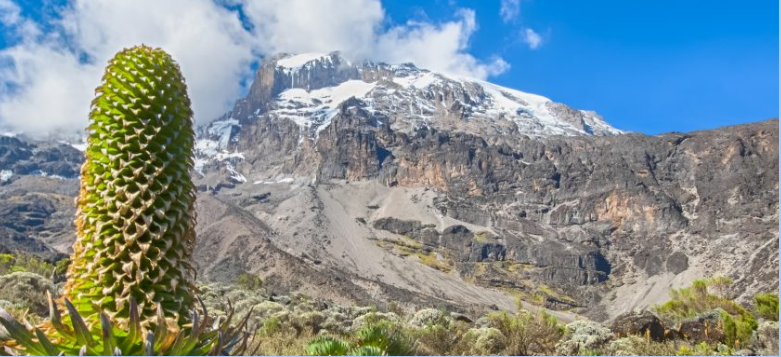
The Lemosho Route is widely regarded as one of the most scenic and successful trekking paths to the summit of Mount Kilimanjaro, Africa’s highest peak. Known for its gradual acclimatization profile, diverse landscapes, and relatively lower traffic in its early stages, the Lemosho Route has become a preferred choice for climbers seeking both beauty and a higher summit success rate.
This professional guide provides an in-depth exploration of the Lemosho Route, covering its characteristics, itinerary, advantages, challenges, and practical considerations for climbers.
Overview of the Lemosho Route
The Lemosho Route approaches Kilimanjaro from the western side, beginning in the lush rainforest and gradually traversing across the Shira Plateau before joining the Machame Route. The route typically takes 7 to 8 days to complete, allowing ample time for acclimatization—a critical factor in reaching the summit successfully.
- Starting Point: Lemosho Gate (western side)
- Duration: 7–8 days
- Difficulty Level: Moderate to challenging
- Success Rate: High (due to longer acclimatization)
- Scenery: Exceptional and varied
Located in Tanzania, Kilimanjaro’s ecosystems range from tropical rainforest to alpine desert and glacial summit zones, all of which are experienced on this route.
Detailed Itinerary
Day 1: Lemosho Gate to Mti Mkubwa Camp
The trek begins in a dense rainforest. Climbers walk through rich vegetation, encountering wildlife such as colobus monkeys. The trail is relatively gentle, making it a good introduction.
- Elevation Gain: ~2,100m to 2,800m
- Hiking Time: 5–6 hours
Day 2: Mti Mkubwa to Shira 1 Camp
The forest gradually gives way to moorland. The terrain becomes more open, offering views of the Shira Ridge.
- Elevation Gain: ~2,800m to 3,500m
- Hiking Time: 6–7 hours
Day 3: Shira 1 Camp to Shira 2 Camp
This is a relatively easy day across the Shira Plateau. Climbers enjoy panoramic views and begin acclimatizing more effectively.
- Elevation: ~3,500m to 3,850m
- Hiking Time: 3–4 hours
Day 4: Shira 2 Camp to Barranco Camp (via Lava Tower)
A key acclimatization day. Climbers ascend to Lava Tower (~4,630m) and then descend to Barranco Camp.
- Elevation: Up to 4,630m, then down to 3,960m
- Hiking Time: 6–8 hours
Day 5: Barranco Camp to Karanga Camp
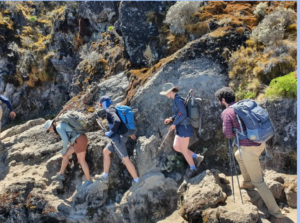
The day begins with the famous Barranco Wall climb—steep but manageable. The trail continues through valleys and ridges.
- Elevation: ~3,960m to 4,035m
- Hiking Time: 4–5 hours
Day 6: Karanga Camp to Barafu Camp
The route approaches the alpine desert zone. Barafu Camp serves as the base for the summit attempt.
- Elevation: ~4,035m to 4,673m
- Hiking Time: 3–4 hours
Day 7: Summit Day – Barafu Camp to Uhuru Peak to Mweka Camp
Summit attempt begins around midnight. Climbers reach Uhuru Peak (5,895m), the highest point in Africa, before descending.
- Elevation: ~4,673m to 5,895m (summit), then down to 3,100m
- Hiking Time: 10–14 hours
Day 8: Mweka Camp to Mweka Gate
Final descent through rainforest.
- Hiking Time: 3–4 hours
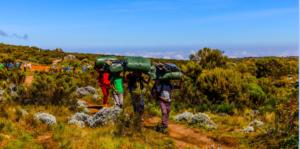
Key Features of the Lemosho Route
1. Superior Acclimatization Profile
The longer duration allows the body to adjust gradually to altitude, reducing the risk of altitude sickness.
2. Scenic Diversity
The route offers:
- Rainforests
- Moorlands
- Alpine deserts
- Glacial summit views
3. Lower Crowds Initially
Compared to routes like Machame, Lemosho starts with fewer climbers, providing a more tranquil experience.
4. High Summit Success Rate
Due to better acclimatization and pacing, Lemosho boasts one of the highest success rates on Kilimanjaro.
Advantages of the Lemosho Route
- Excellent for first-time high-altitude climbers
- Gradual ascent increases safety
- Photographically rich landscapes
- Balanced difficulty level
- Professional trekking support available
Challenges and Considerations
1. Longer Duration
The route requires more days, increasing cost and time commitment.
2. Physical Demands
Although gradual, the trek still involves long hiking hours and steep sections.
3. Altitude Risks
Despite better acclimatization, altitude sickness remains a risk.
4. Weather Variability
Conditions can shift rapidly, especially near the summit.
Best Time to Climb
The optimal months for the Lemosho Route are:
- January to March: Cooler, less crowded
- June to October: Dry season, best conditions
Avoid heavy rainy seasons (April–May, November) for safety and comfort.
Essential Packing List
- High-quality trekking boots
- Insulated clothing (layered system)
- Sleeping bag (rated for sub-zero temperatures)
- Trekking poles
- Headlamp (essential for summit night)
- Hydration system
- First aid kit
Cost Considerations
Climbing Kilimanjaro via Lemosho typically costs between $2,500 and $5,000, depending on:
- Operator quality
- Group size
- Included services (guides, porters, meals)
Key Takeaways
- The Lemosho Route is one of the most scenic and effective routes on Kilimanjaro.
- It offers excellent acclimatization, leading to higher summit success rates.
- The route takes 7–8 days, making it ideal for gradual altitude adaptation.
- It combines diverse ecosystems, from rainforest to glaciers.
- While more expensive, it provides a safer and more rewarding climbing experience.
Frequently Asked Questions (Q&A)
Q1: Is the Lemosho Route suitable for beginners?
Yes, it is one of the best routes for beginners due to its gradual ascent and acclimatization profile. However, good physical fitness is still required.
Q2: What is the success rate of the Lemosho Route?
The success rate is approximately 85–95%, depending on the duration (8-day itineraries have higher success).
Q3: How difficult is the Barranco Wall?
The Barranco Wall is steep but not technical. Most climbers complete it without specialized climbing skills.
Q4: Do I need prior climbing experience?
No technical climbing experience is required. It is a trekking route, not a mountaineering climb.
Q5: How cold does it get?
Temperatures at the summit can drop to -10°C to -20°C, especially during the night ascent.
Q6: Can altitude sickness be prevented?
While not entirely preventable, it can be minimized through:
- Proper acclimatization
- Hydration
- Slow pacing
Q7: What permits are required?
All climbers must obtain permits through licensed operators regulated by Tanzanian authorities.
Conclusion
The Lemosho Route stands out as one of the most well-balanced and rewarding paths to the summit of Mount Kilimanjaro. Its combination of scenic richness, lower initial traffic, and superior acclimatization profile makes it a top choice for both novice and experienced climbers.
Although it requires a greater investment in time and cost, the benefits—particularly the higher summit success rate and reduced risk of altitude-related issues—make it a worthwhile option. For those seeking a comprehensive Kilimanjaro experience that prioritizes safety, beauty, and success, the Lemosho Route remains one of the finest trekking routes in Tanzania.