
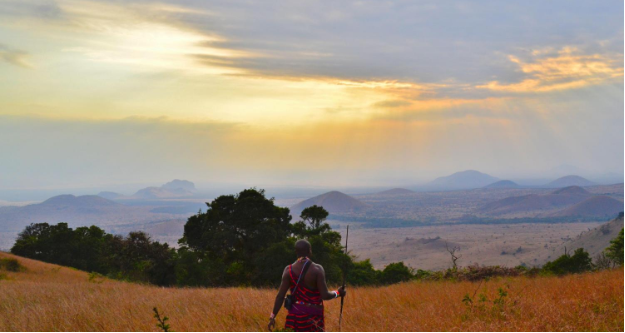
Kenya stands as a photographer’s paradise, offering far more than just wildlife images. A comprehensive photo tour in Kenya encompasses dramatic landscapes, vibrant cultures, bustling urban scenes, pristine coastlines, and of course, the iconic wildlife that made the country famous. From the golden savannahs of the Maasai Mara to the turquoise waters of the Indian Ocean, from traditional tribal ceremonies to modern Nairobi’s dynamic street life, Kenya provides endless photographic opportunities for every genre and skill level.
Unlike specialized wildlife photography safaris focusing exclusively on animals, photo tours in Kenya embrace the country’s complete visual tapestry. These tours cater to photographers seeking diverse subjects and experiences, creating comprehensive portfolios that capture Kenya’s essence. Whether you’re a landscape enthusiast, portrait photographer, street photography devotee, or generalist wanting variety, Kenya’s photo tours deliver transformative experiences combining technical growth with creative exploration.
What Makes Kenya Ideal for Photography Tours
Kenya’s photographic appeal stems from extraordinary diversity concentrated within a relatively compact area. In a single day, photographers can shoot sunrise over Mount Kilimanjaro, photograph Maasai warriors in traditional dress, capture wildlife on afternoon game drives, and document coastal fishing communities at sunset. Few destinations offer such varied subject matter within manageable distances.
The quality of light in Kenya ranks among the world’s finest for photography. Equatorial positioning means consistent sunrise and sunset times year-round, allowing predictable planning for golden hour shoots. The high-altitude locations provide crystal-clear air creating exceptional visibility and vibrant colors. Dramatic weather patterns produce stunning cloud formations and atmospheric conditions that elevate ordinary scenes into extraordinary images.
Cultural diversity enriches Kenya’s photographic possibilities. Over 40 ethnic groups maintain distinct traditions, dress, architecture, and lifestyles. The Maasai, Samburu, Turkana, and numerous other communities welcome respectful photographers, sharing their cultures through organized visits that benefit local economies. This cultural accessibility distinguishes Kenya from destinations where indigenous communities remain isolated or unwelcoming to outsiders.
Infrastructure supporting photography tours in Kenya has matured significantly. Professional guides understand compositional requirements, scouting locations, timing shoots for optimal light, and facilitating access to subjects. Accommodations near prime locations minimize travel time between sites. Reliable ground transportation, though sometimes rough, reaches virtually all significant photographic destinations.
Types of Photography Tours Available in Kenya
Comprehensive Multi-Genre Tours
These well-rounded itineraries expose photographers to Kenya’s full spectrum of subjects. Typical tours combine several days photographing wildlife in major parks, cultural encounters with traditional communities, landscape photography in dramatic locations like the Rift Valley, urban photography in Nairobi or Mombasa, and coastal scenes along the Indian Ocean. The diversity ensures photographers develop versatile portfolios while experiencing Kenya’s complete visual story.
Multi-genre tours attract generalist photographers, travel photographers building destination portfolios, and those uncertain which specialty interests them most. The variety maintains excitement and prevents the monotony that can develop during extended single-subject focus.
Wildlife-Focused Photography Tours
For photographers prioritizing animal subjects, specialized wildlife photo tours concentrate entirely on game reserves and national parks. These tours visit multiple ecosystems—from the Maasai Mara’s grasslands to Amboseli’s swamps, Samburu’s arid landscapes to Tsavo’s volcanic wilderness—maximizing species diversity and photographic variety.
Wildlife tours employ guides with deep knowledge of animal behavior, positioning vehicles for optimal light and composition. Small group sizes (2-4 photographers) ensure everyone achieves clear shots. Extended stays at sightings allow capturing varied behaviors and compositions rather than brief snapshots.
Cultural Photography Tours
Cultural photo tours emphasize Kenya’s ethnic diversity, traditional lifestyles, and contemporary communities. These tours arrange visits to Maasai, Samburu, Turkana, and other communities, facilitating portrait sessions, documentation of daily activities, and attendance at cultural ceremonies when available.
Ethical cultural photography tours ensure communities benefit directly through visit fees, purchase of crafts, and employment of local guides. Photographers learn about cultural contexts, building understanding beyond superficial imagery. These tours teach respectful engagement with subjects, obtaining proper permissions, and creating dignified portraits rather than exploitative snapshots.
Landscape and Nature Photography Tours
Kenya’s dramatic landscapes provide compelling subjects for nature photographers. These tours visit the Great Rift Valley’s escarpments and lakes, Mount Kenya’s alpine zones, Hell’s Gate’s volcanic formations, coastal dunes and mangroves, and lesser-known scenic locations tourists rarely visit.
Landscape tours emphasize technical skills—long exposures, HDR techniques, panoramic stitching, and filter usage. Groups remain small allowing personalized instruction. Schedules prioritize golden hour and blue hour shoots, often involving early mornings and late evenings when light quality peaks.
 Photography Workshops and Masterclasses
Educational photo tours combine destination photography with intensive instruction from professional photographers. Workshop leaders teach technical skills, compositional principles, and post-processing techniques while guiding participants through Kenya’s photographic locations.
Daily image review sessions provide constructive critique helping photographers improve. Topics covered might include exposure techniques, creative composition, storytelling through images, developing personal style, and preparing portfolios for publication or exhibition. These tours suit photographers wanting structured learning alongside destination experiences.
Budget Photography Tours
Cost-conscious photographers access Kenya through budget photo tours using standard accommodations, larger groups (6-10 participants), and simplified logistics. While less specialized than premium tours, budget options still visit prime locations and employ knowledgeable guides.
Trade-offs include less individual attention, standard safari vehicles rather than photography-modified alternatives, and accommodations prioritizing function over comfort. However, determined photographers achieve excellent results through preparation, initiative, and acceptance of occasional compromises.
Essential Photography Locations in Kenya
Maasai Mara National Reserve
Beyond wildlife, the Mara offers spectacular landscape photography with endless grasslands, dramatic skies, and iconic acacia trees. Sunrise and sunset paint the plains in extraordinary colors. Maasai villages near the reserve provide cultural photography opportunities. Balloon safari photography captures aerial perspectives of the savannah ecosystem.
Amboseli National Park
Mount Kilimanjaro dominates Amboseli’s photographic appeal, creating iconic backgrounds for elephant herds, landscapes, and atmospheric compositions. The park’s swamps attract diverse subjects. Dust storms during dry seasons produce dramatic moody images. Clear skies and minimal humidity ensure Kilimanjaro appears in images more reliably than from Tanzania.
Lake Nakuru and the Rift Valley
The Great Rift Valley’s dramatic escarpments provide sweeping landscape vistas. Lake Nakuru’s flamingos (when present) create spectacular pink masses photographed against blue water. Various viewpoints along the valley rim offer panoramic compositions. Surrounding agricultural areas show rural Kenyan life.
Samburu Region
Northern Kenya’s arid beauty and unique cultures make Samburu essential for photo tours. The landscape’s stark minimalism provides clean backgrounds. Samburu people maintain distinctive traditions and welcome cultural photography. Wildlife adapted to desert conditions includes species found nowhere else in Kenya.
Nairobi
Kenya’s capital offers dynamic urban photography opportunities. The contrast between modern skyscrapers and sprawling informal settlements tells complex stories. Nairobi National Park, adjacent to city skyline, creates unique compositions of wildlife against urban backgrounds. Markets, street life, and diverse neighborhoods provide endless subjects.
Coastal Region
Kenya’s Indian Ocean coastline offers completely different subjects—pristine beaches, dhow boats, coral reefs, mangrove forests, and Swahili culture. Historic towns like Lamu preserve centuries-old architecture and traditions. Fishing communities provide documentary photography opportunities. Underwater photography possibilities abound for those with appropriate equipment.
Mount Kenya
Africa’s second-highest mountain offers alpine photography opportunities. The journey from lowland forests through bamboo zones to alpine moorlands documents dramatic ecological transitions. Unique high-altitude flora like giant lobelias create surreal landscapes. Summit attempts (for prepared climbers) yield spectacular mountain photography.
Technical Considerations for Photo Tours
Camera Equipment Selection
Photo tours demand versatile equipment handling diverse subjects. A professional DSLR or mirrorless body with weather sealing protects against dust and occasional rain. Bring two bodies if possible—one with a wide-angle lens ready for landscapes, another with telephoto for wildlife and distant subjects.
Lens selection depends on your focus but generally includes a wide-angle zoom (16-35mm) for landscapes and environmental portraits, a standard zoom (24-70mm or 24-105mm) for general use, and a telephoto zoom (70-200mm or 100-400mm) for wildlife and compression effects. Prime lenses (35mm, 50mm, 85mm) excel for cultural photography and portraits.
Supporting equipment includes a sturdy travel tripod for landscape photography, polarizing filters for managing reflections and enhancing skies, neutral density filters for long exposures, lens cleaning supplies for dust management, multiple memory cards (32-64GB each), extra batteries, and protective bags against dust and rain.
Managing Challenging Conditions
Kenya presents photographers with unique challenges requiring adaptation. Intense equatorial sun creates harsh midday light—avoid shooting during 10 AM-3 PM when possible, focusing instead on morning and evening golden hours. When midday shooting is unavoidable, seek shade, shoot into the sun for dramatic backlighting, or embrace the harsh light for high-contrast black and white images.
Dust penetrates everything during dry seasons. Keep equipment in sealed bags when not shooting. Change lenses inside vehicles or protected spaces. Clean sensors regularly—dust spots plague every Kenya photographer. Bring rocket blowers and consider learning sensor cleaning techniques.
Heat affects batteries, memory cards, and camera electronics. Store equipment in shaded, cool locations. Avoid leaving cameras in direct sunlight or closed vehicles where temperatures soar. Heat shimmer affects telephoto images during hot afternoons—another reason prioritizing cooler morning and evening sessions.
Post-Processing Workflow
Develop efficient workflows managing large image volumes photo tours generate. Cull images daily, eliminating obvious failures to reduce storage needs and simplify final editing. Rate keepers allowing quick identification of best images.
Backup immediately to multiple locations—at minimum, memory cards remain untouched until images exist in two additional locations (external drive and cloud/second drive). Many photographers backup nightly to laptops and portable hard drives, uploading to cloud storage when the internet allows.
Organize systematically using folders by date and location. Apply keywords and metadata facilitating later searches. Consider processing representative images during the tour for social media sharing or preliminary portfolios, saving comprehensive editing for home with calibrated monitors and comfortable workspaces.
Cultural Sensitivity and Ethical Photography
Respectful engagement with Kenyan communities remains essential for ethical photography. Always request permission before photographing individuals, especially in cultural contexts. Many communities welcome photography through organized visits where fees directly benefit locals, creating win-win situations supporting both photography and community development.
Learn basic Swahili greetings and phrases—small efforts building rapport significantly improve interactions. Understand cultural contexts preventing inadvertent offense. Dress modestly, especially in Muslim coastal communities and rural areas. Explain your photographic intentions honestly, sharing images with subjects when possible.
Avoid exploitative imagery perpetuating negative stereotypes about Africa or poverty. Seek to photograph people with dignity, capturing authentic moments rather than staged, demeaning situations. Consider whether images would embarrass subjects if shown to wider audiences.
Share benefits by purchasing crafts directly from artisans, hiring local guides, and supporting community-based tourism initiatives. Your visit should leave positive economic impacts beyond simply extracting images.
 Planning and Preparing for Your Photo Tour
Choosing the Right Tour Operator
Select operators with specific photography experience rather than general tour companies adding photo tours as afterthoughts. Evaluate through online reviews from previous photography participants, portfolio examples from past tours, guide qualifications and photography knowledge, detailed itineraries showing thought given to locations and timing, group size policies ensuring adequate attention, and transparent pricing showing what’s included versus additional costs.
Specialized photography tour operators understand lighting requirements, provide adequate time at locations, accommodate unpredictable creative processes, and employ guides who enhance rather than hinder photography.
Best Timing and Seasons
Kenya offers year-round photography opportunities with different seasonal advantages. January-March provides excellent dry season conditions with clear skies, dusty atmospheres creating dramatic light, concentrated wildlife around water sources, and fewer tourists than peak season. April-May long rains create lush green landscapes, dramatic storm clouds, and reduced tourism though some locations become inaccessible.
June-October dry season offers peak wildlife viewing, the Great Migration in the Maasai Mara (July-October), consistently good weather, and easier travel though higher prices and crowds. November sees short rains with similar advantages to April-May but shorter duration. Each season offers unique photographic opportunities—there’s no universally “best” time, only different opportunities matching specific interests.
Packing Essentials
Beyond camera equipment, pack neutral-colored, lightweight, breathable clothing for blending into environments. Layers accommodate temperature variations from cool highland mornings to hot lowland afternoons. Comfortable, broken-in hiking shoes or boots handle varied terrain. Wide-brimmed hats, sunglasses, and SPF 50+ sunscreen protect against intense equatorial sun.
Technical items include laptop or tablet for image review and backup, portable hard drives (2+ for redundancy), card readers, charging equipment and adapters (Kenya uses British-style plugs), headlamp for early departures and equipment management, and dust-proof bags protecting gear during travel.
Personal items include insect repellent, personal medications, reusable water bottle, and basic first aid supplies. Travel light—most lodges provide laundry services allowing minimal clothing.
Post-Tour Opportunities and Portfolio Development
A Kenya photo tour generates hundreds or thousands of images requiring thoughtful curation and editing. Avoid overwhelming yourself by immediately editing everything. Let images rest for days or weeks, gaining fresh perspective before final selections.
Develop cohesive stories or themes from your Kenya images rather than presenting random collections. Perhaps a photo essay on Maasai culture, a landscape series showing ecological diversity, or a wildlife behavior narrative. Cohesive presentations resonate more powerfully than scattershot approaches.
Consider publication opportunities. Travel magazines, photography publications, and online platforms welcome quality Kenya imagery. Stock photography agencies provide passive income from strong images. Social media sharing builds portfolios and potentially attracts clients or sponsorship opportunities for future photography travel.
Exhibition opportunities range from local galleries to online platforms. Coffee table book creation, either professionally published or self-produced, provides lasting artifacts from your Kenya experience. These projects motivate thoughtful curation and editing, elevating work beyond simple documentation.
Conclusion
A photo tour in Kenya offers transformative experiences extending far beyond capturing beautiful images. These journeys challenge photographers technically, expose them to unfamiliar cultures and environments, and create opportunities for significant artistic growth. From the technical mastery required for wildlife action photography to the interpersonal skills needed for respectful cultural documentation, Kenya pushes photographers to develop as both technicians and artists.
The diversity of subjects ensures every photographer finds compelling material regardless of specialty or interest. Wildlife enthusiasts capture iconic African animals, landscape photographers discover stunning vistas, cultural documentarians engage with traditional communities, and generalists build varied portfolios showcasing Kenya’s complete visual story.
Beyond personal artistic development, photo tours in Kenya contribute to conservation and community development. Tourism revenue supports habitat protection and wildlife conservation. Community-based tourism initiatives ensure local people benefit from photography visits, creating stakeholders invested in preserving both natural environments and cultural traditions.
As you plan your Kenya photo tour, approach it as more than a photography opportunity—embrace it as a journey of discovery, learning, and connection. Prepare your equipment thoroughly, study your craft, but remain open to unexpected moments and serendipitous encounters. The most memorable images often come not from perfect execution of planned shoots but from spontaneous responses to unfolding moments. Kenya’s incredible visual wealth awaits—prepare well, stay flexible, shoot prolifically, and let Africa’s magic guide your creative vision.
Key Takeaways
- Photo tours in Kenya encompass diverse subjects including wildlife, landscapes, cultures, urban scenes, and coastal environments, offering comprehensive photographic experiences beyond specialized wildlife safaris
- Tour types range from multi-genre comprehensive tours to specialized options focusing on wildlife, culture, landscapes, or educational workshops, with pricing from $250-400 daily (budget) to $500-1,000+ (luxury/private)
- Essential locations include Maasai Mara (wildlife and landscapes), Amboseli (Kilimanjaro backdrops), Rift Valley lakes (flamingos and panoramas), Samburu (arid landscapes and unique cultures), Nairobi (urban photography), and coastal regions (beaches and Swahili culture)
- Versatile equipment needed includes wide-angle (16-35mm), standard (24-70mm), and telephoto (70-200mm or longer) zoom lenses, weather-sealed camera bodies, sturdy tripod, filters, multiple memory cards, and protective gear against dust
- Technical challenges include managing harsh equatorial midday light (shoot during golden hours), dealing with pervasive dust (protective measures and regular cleaning), heat affecting equipment (proper storage), and large image volumes (efficient workflows and systematic backup)
- Cultural sensitivity requires requesting permission before photographing individuals, learning basic Swahili phrases, understanding cultural contexts, avoiding exploitative imagery, and ensuring communities benefit economically from photography visits
- Kenya offers excellent year-round photography with seasonal variations: January-March (dry season clarity), April-May (lush landscapes), June-October (peak wildlife), November (short rains and dramatic skies)
- Post-tour portfolio development through cohesive themes, publication opportunities, exhibition possibilities, and stock photography creates lasting value from photo tour images beyond personal collections
Frequently Asked Questions
What is the difference between a photo tour and a wildlife photography safari?
Photo tours encompass diverse subjects including wildlife, landscapes, cultures, urban environments, and coastal scenes, creating comprehensive portfolios. Wildlife photography safaris focus exclusively on animals in national parks and reserves. Photo tours visit varied locations beyond game reserves—cultural communities, cities, scenic viewpoints, beaches—while wildlife safaris remain in wildlife areas. Photo tours attract generalist photographers and those wanting variety, while wildlife safaris suit those prioritizing animal images. Both employ photography-knowledgeable guides, but photo tours require broader expertise across multiple genres rather than specialized wildlife knowledge alone.
How much does a photo tour in Kenya typically cost?
Photo tour costs vary significantly based on specialization, accommodation standards, and group size. Budget tours cost approximately $250-400 per person daily using standard lodges and larger groups (6-10 participants). Mid-range photo tours run $500-700 daily with comfortable accommodations and smaller groups (4-6 photographers). Luxury private photo tours cost $1,000-2,000+ daily featuring exclusive lodges, private guides, and customized itineraries. These rates typically include accommodation, meals, park fees, ground transportation, and guide services but exclude international flights ($800-1,500 from Europe/US), tips ($20-30 daily for guides), and personal expenses.
What camera equipment should I bring on a Kenya photo tour?
Essential equipment includes a professional camera body (DSLR or mirrorless) with weather sealing, wide-angle zoom (16-35mm) for landscapes, standard zoom (24-70mm) for general use, and telephoto zoom (70-200mm or 100-400mm) for wildlife and distant subjects. Bring a sturdy travel tripod, polarizing and neutral density filters, multiple memory cards (32-64GB each), extra batteries, lens cleaning supplies, and protective bags. Consider bringing two camera bodies if budget allows—one ready with wide-angle, another with telephoto. Prime lenses (35mm, 50mm, 85mm) excel for cultural photography. Total equipment weight should remain manageable for African travel conditions.
Can beginners join photo tours or do I need advanced photography skills?
Beginners are welcome on most photo tours, especially those marketed as workshops or educational tours combining instruction with destination photography. Kenya’s spectacular subjects produce compelling images even with basic photography knowledge. However, prepare by understanding your camera’s basic functions, practicing key settings (aperture, shutter speed, ISO), and familiarizing yourself with composition principles. Workshop-style tours provide structured learning alongside shooting opportunities. Some advanced tours expect participants to work independently with minimal instruction. Clarify skill level expectations when booking to ensure appropriate tour selection for your experience.
How do I photograph Kenyan people and communities respectfully?
Always request permission before photographing individuals, especially in cultural or intimate situations. Learn basic Swahili greetings establishing friendly rapport. Participate in organized cultural visits where communities benefit economically from tourism, ensuring photography supports rather than exploits locals. Explain your intentions honestly and share images with subjects when possible. Avoid intrusive photography of private moments or staging demeaning scenarios for dramatic effect. Photograph people with dignity, capturing authentic moments that would not embarrass subjects if shown publicly. Purchase crafts directly from artisans and hire local guides ensuring your visit provides tangible economic benefits beyond extracting images.
What are the biggest photography challenges in Kenya?
Primary challenges include harsh midday equatorial light creating unflattering shadows and washed-out colors (mitigated by shooting during golden hours and embracing high-contrast black and white), pervasive dust penetrating equipment during dry seasons (requiring protective measures and regular cleaning), managing large image volumes from multiple daily shoots (necessitating efficient workflows and systematic backup), heat affecting equipment performance (proper storage essential), and respecting cultural sensitivities while achieving desired images. Additionally, balancing time across diverse subjects during multi-genre tours, dealing with unpredictable wildlife behavior, and maintaining creative energy across extended shooting days present logistical and creative challenges.
When is the best time of year for a photo tour in Kenya?
Kenya offers excellent year-round photography with different seasonal advantages. January-March provides dry season clarity, concentrated wildlife, fewer tourists than peak season, and good weather. April-May brings lush landscapes, dramatic skies, and lower prices though some areas become inaccessible. June-October offers peak wildlife viewing, the Great Migration (July-October), consistently good weather, but higher prices and crowds. November features short rains with dramatic clouds and green landscapes. The “best” time depends on priorities—wildlife migration, cultural festivals, landscapes, or weather preferences. Multi-season visits capture Kenya’s complete photographic diversity.
How should I backup and manage photos during a Kenya tour?
Implement a robust backup workflow protecting valuable images. Shoot in RAW format for maximum post-processing flexibility. Cull obviously failed images daily reducing storage needs. Use the 3-2-1 rule: three copies of images on two different media types with one offsite. Practically, this means keeping images on memory cards (don’t format until backed up), copying to laptop hard drive, and backing up to portable external drives. Upload to cloud storage when internet allows. Bring multiple memory cards avoiding dependence on single large cards. Consider copying directly from cards to portable drives if traveling without a laptop. Organize systematically by date and location facilitating later editing.
Can I combine a photo tour with a traditional safari experience?
Absolutely. Many photo tours incorporate traditional safari elements, visiting national parks for wildlife viewing alongside photography-specific activities. Hybrid tours balance dedicated photography time (early mornings and evenings during optimal light) with general game viewing and relaxation. This approach suits travelers combining photography with family members or companions less interested in intensive photography. Some operators offer flexible itineraries allowing photographers extended shooting time while companions enjoy other activities. Clarify priorities when booking to ensure appropriate balance. Pure photography tours maximize shooting opportunities, while hybrid tours provide more balanced travel experiences.
What post-processing skills do I need for Kenya photo tour images?
Basic post-processing skills significantly enhance Kenya images. Learn RAW processing for exposure adjustment, white balance correction, and recovering highlights/shadows. Master basic adjustments including contrast, clarity, vibrance, and saturation. Develop dust spot removal skills—essential given Kenya’s dusty conditions. Learn selective adjustments using masks or adjustment brushes for dodging and burning. Color grading creates cohesive looks across image series. Panorama stitching and HDR techniques enhance landscape photography. However, avoid excessive manipulation—Kenya’s natural beauty requires minimal enhancement. Authentic representation matters more than heavy processing. Software options include Adobe Lightroom (most popular), Capture One, or free alternatives like Darktable. Dedicate time learning your chosen software before the tour.